
The Men of Rivermont Pizza Calendar (2014)
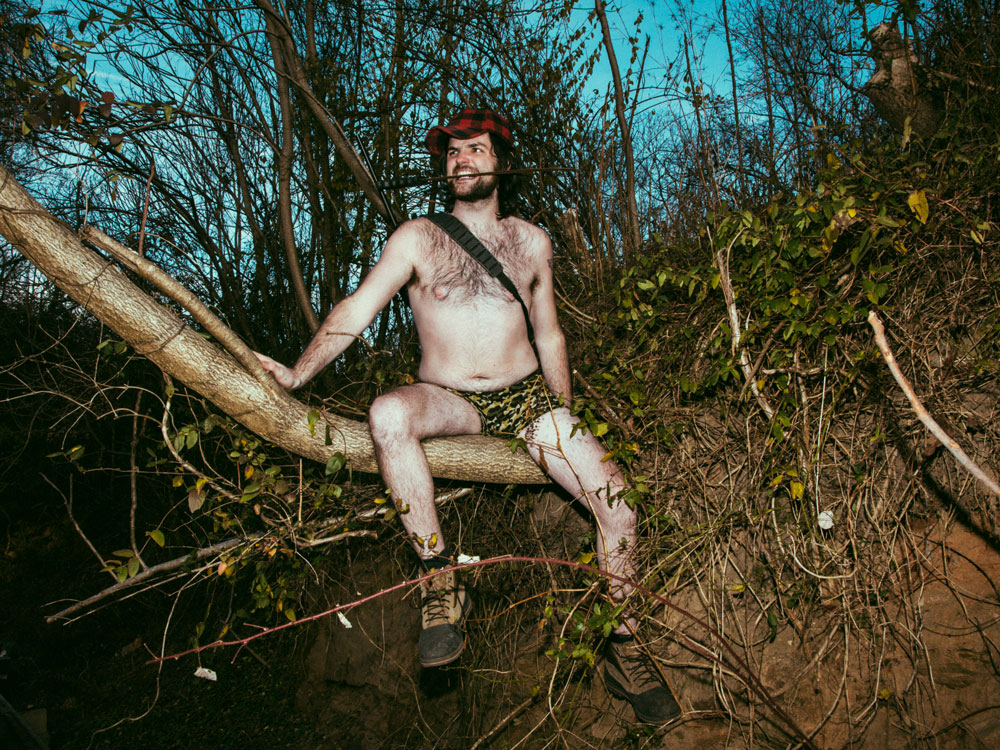
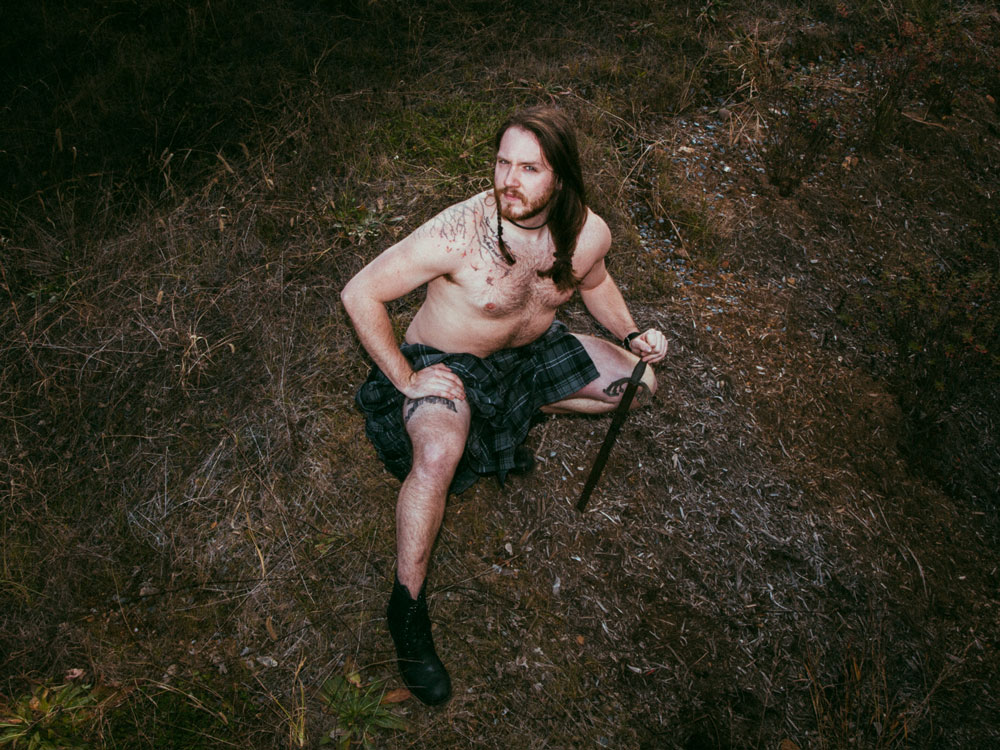
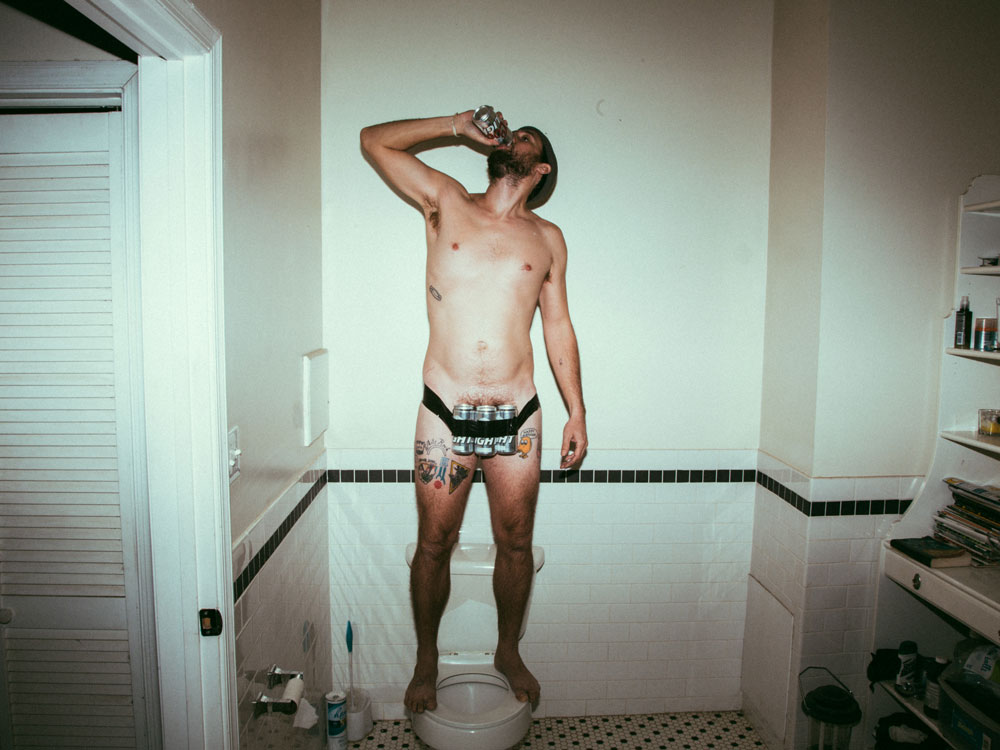
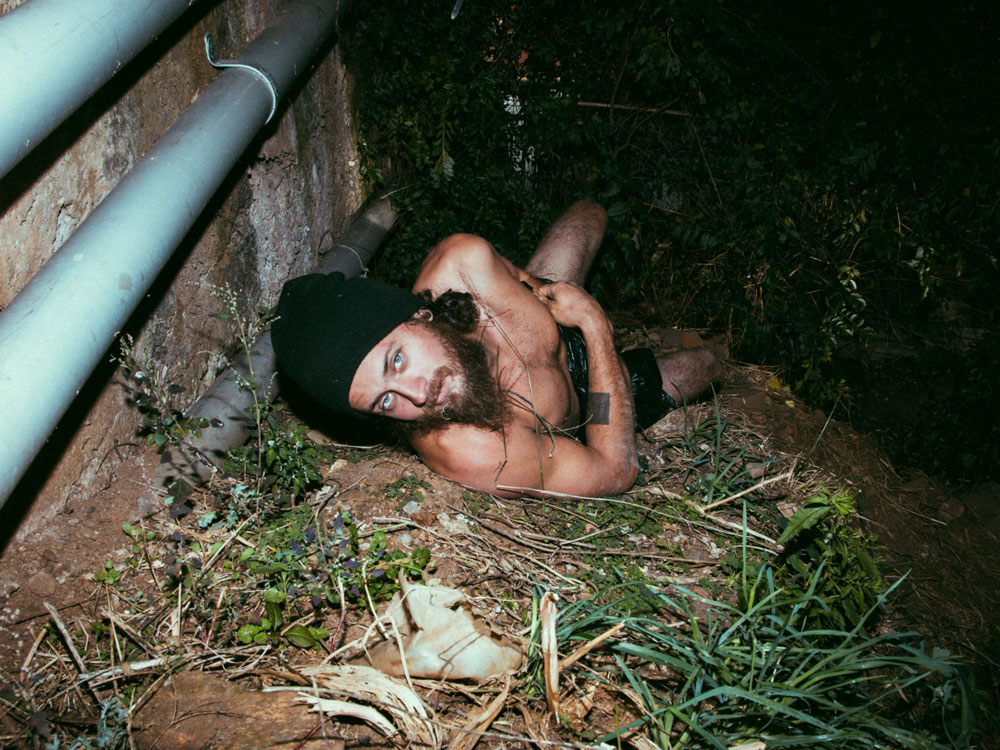
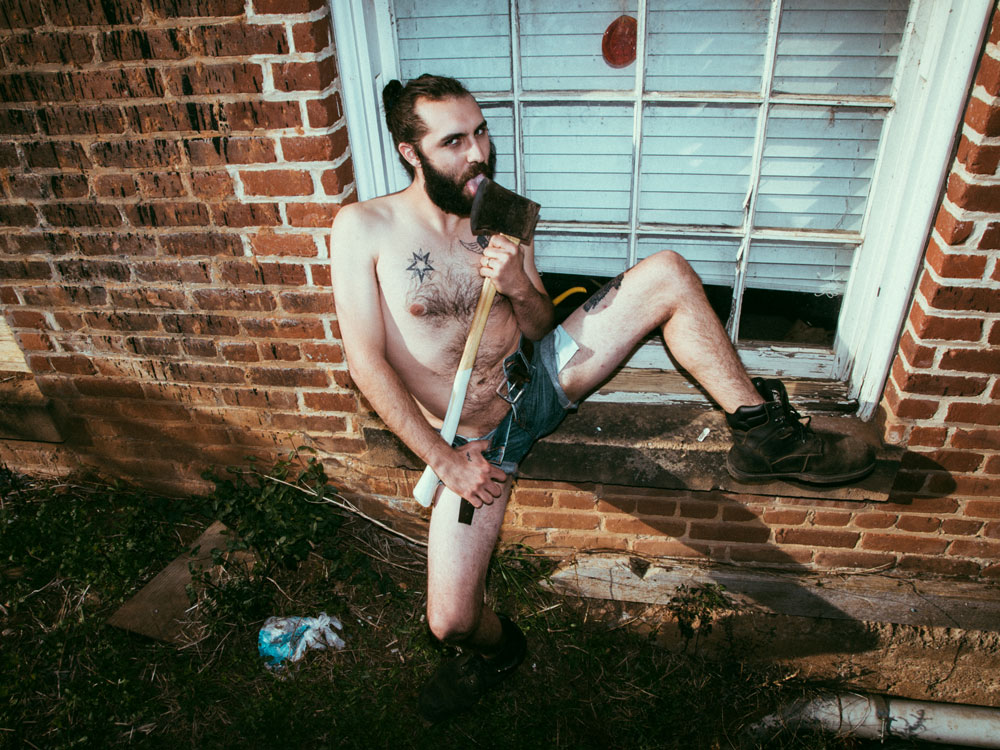
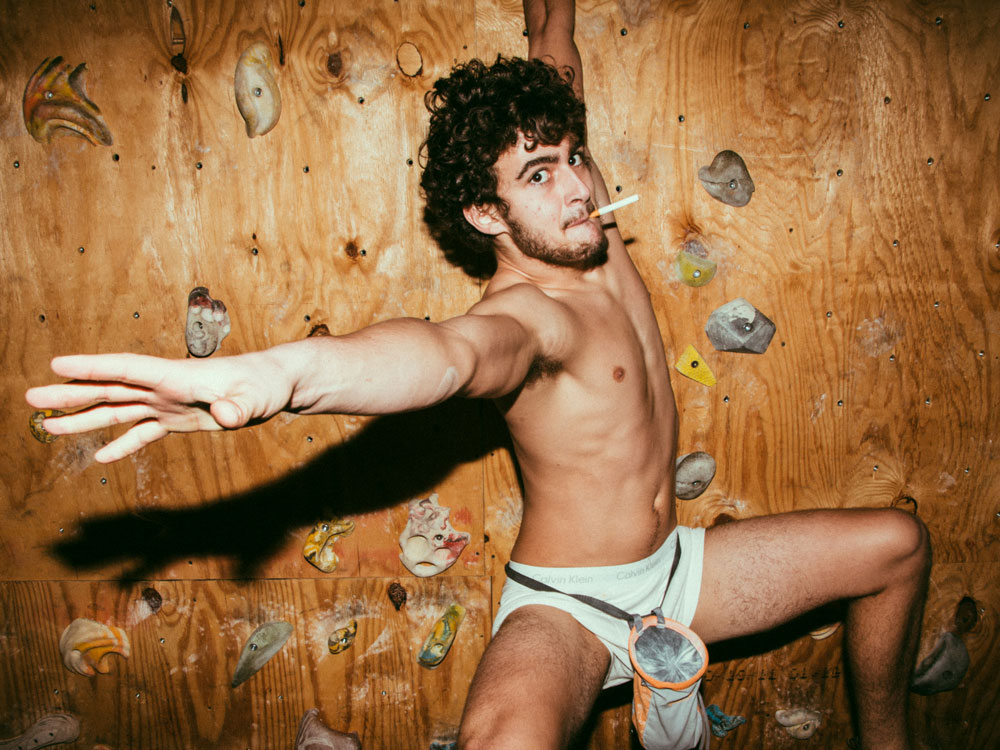
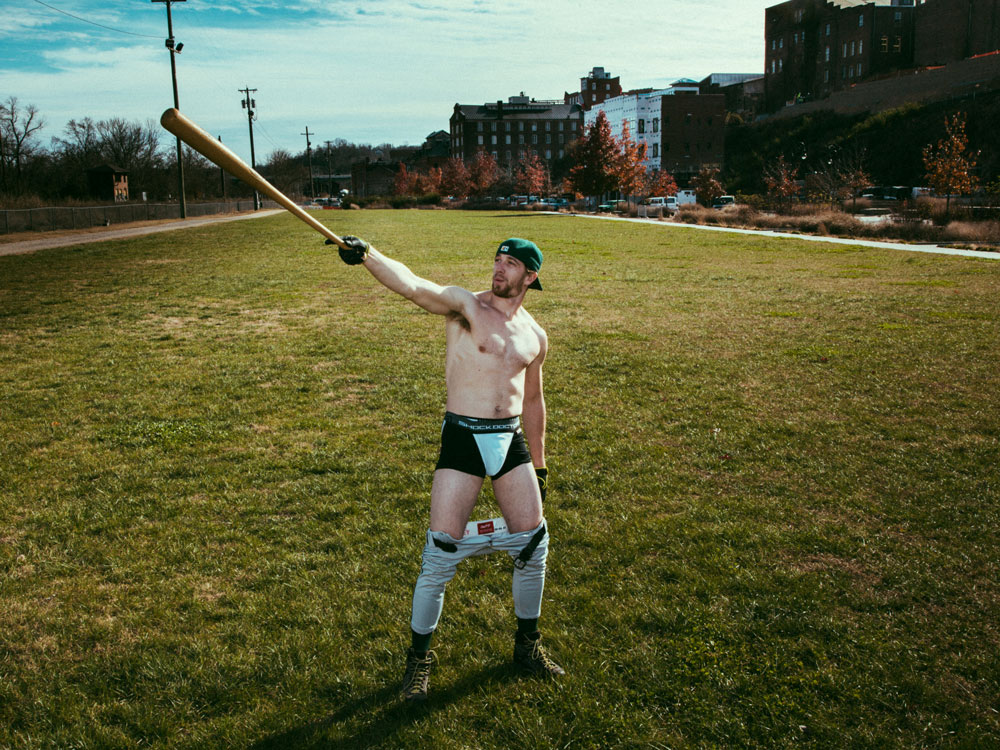
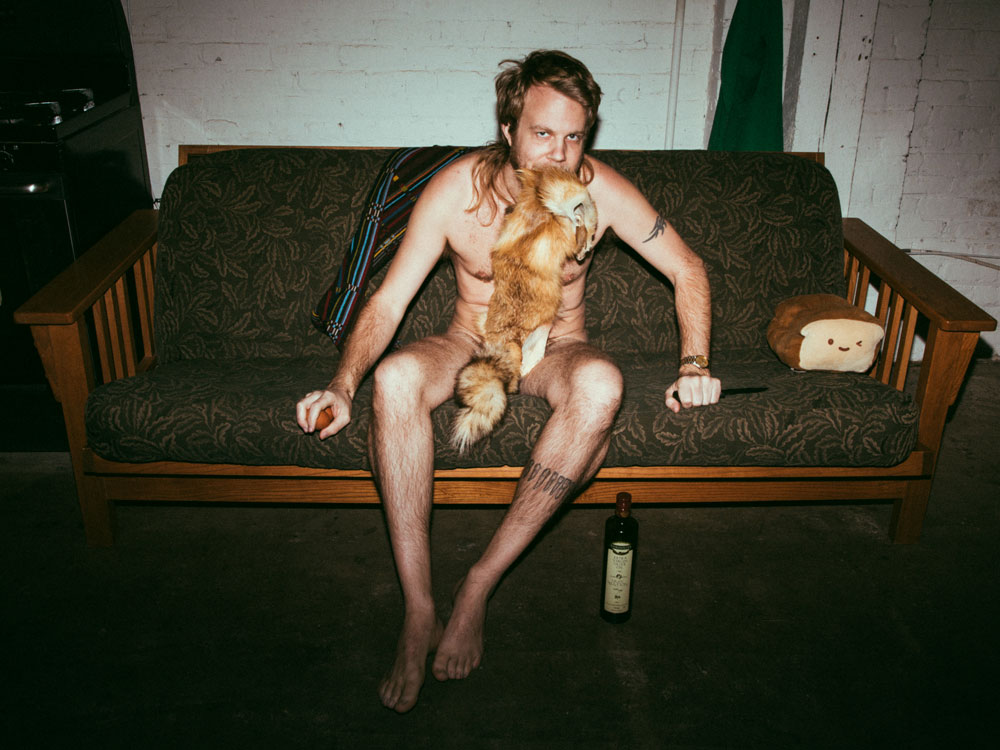
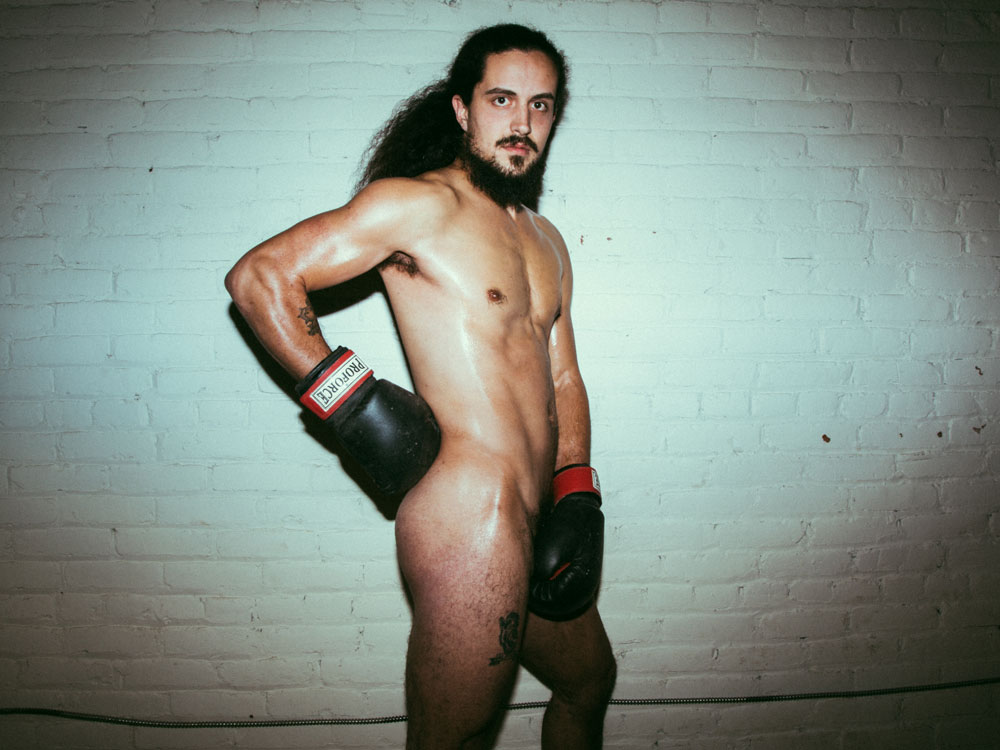
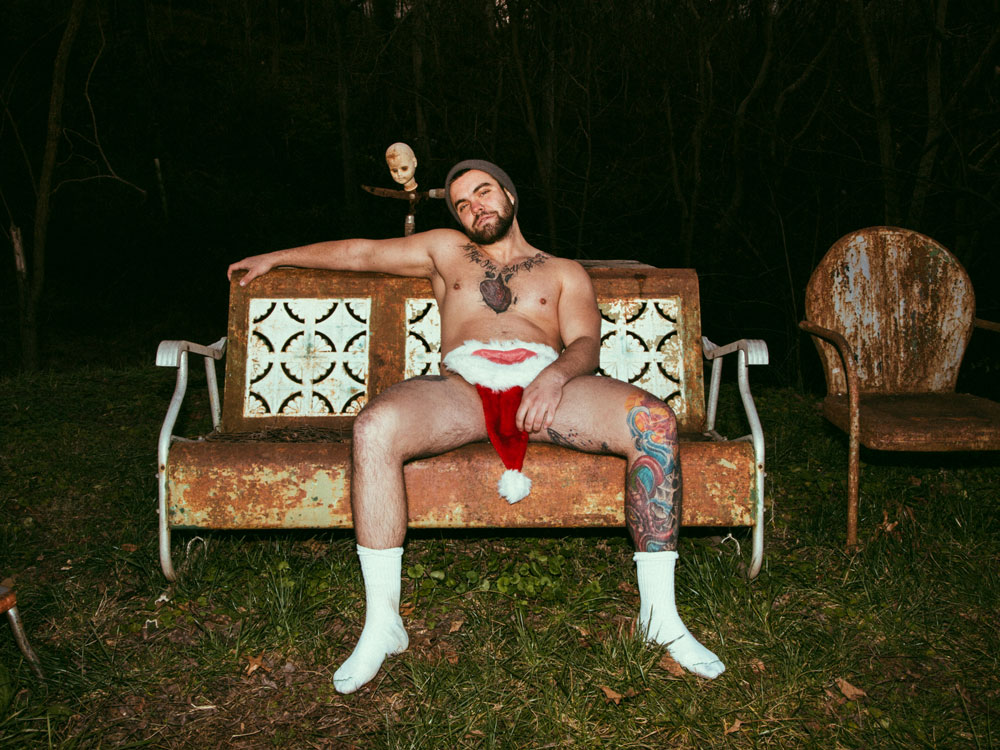
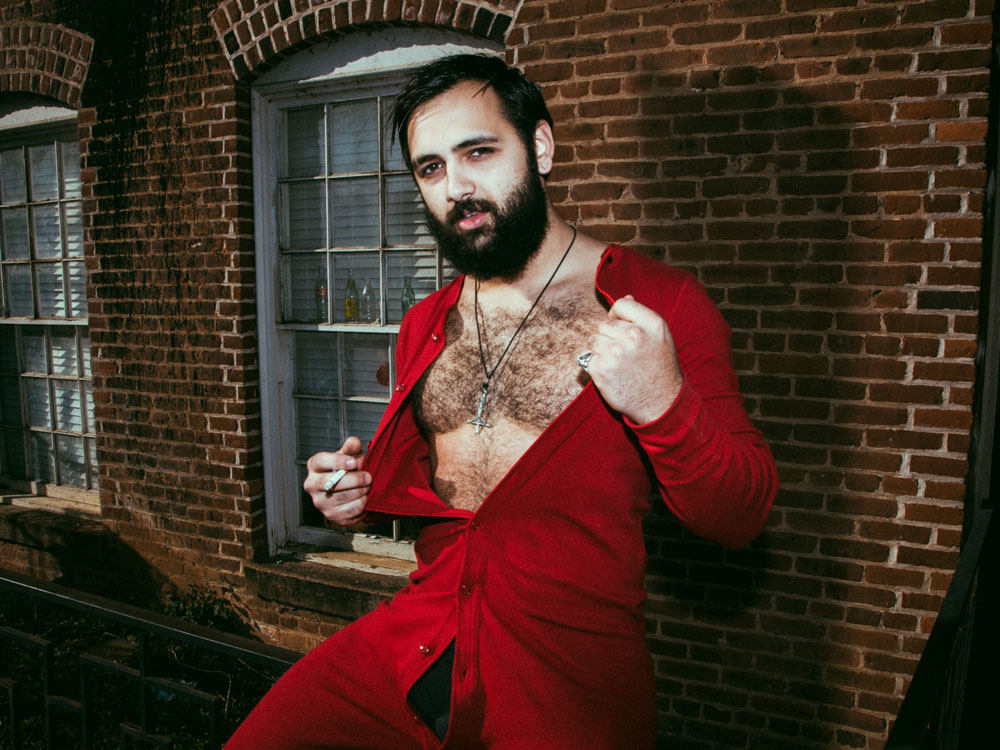
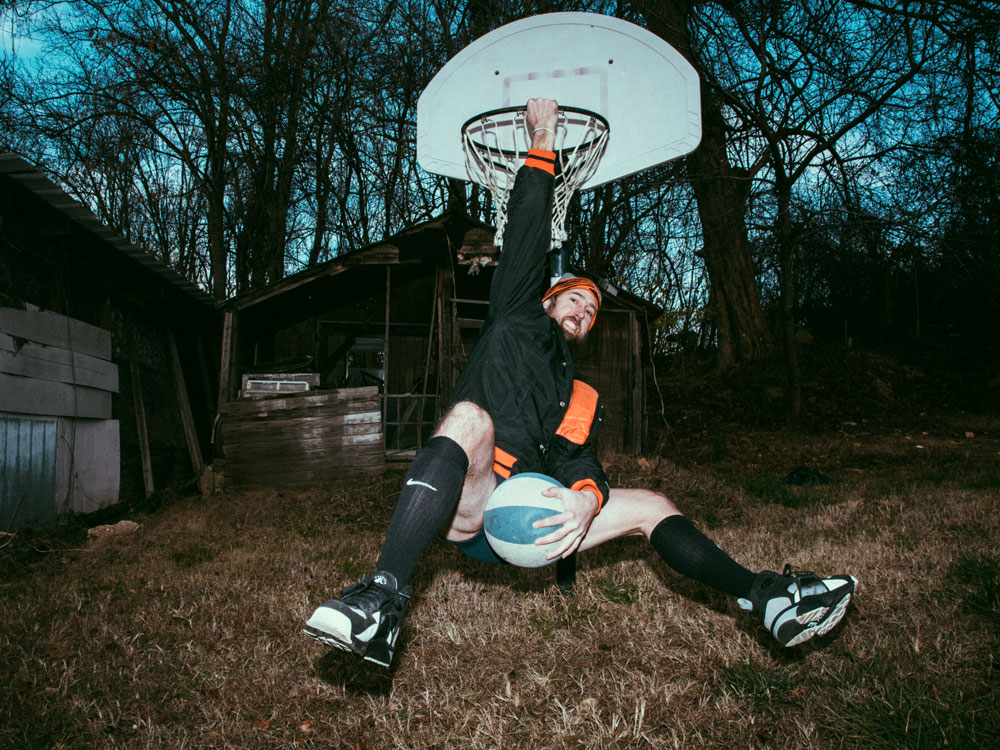
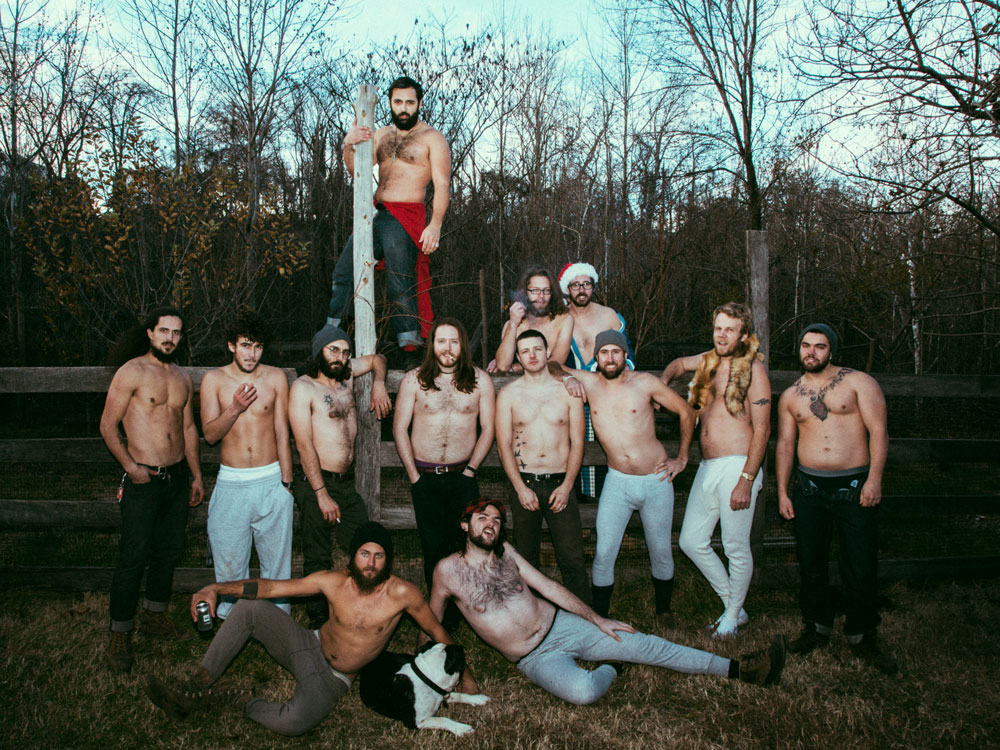
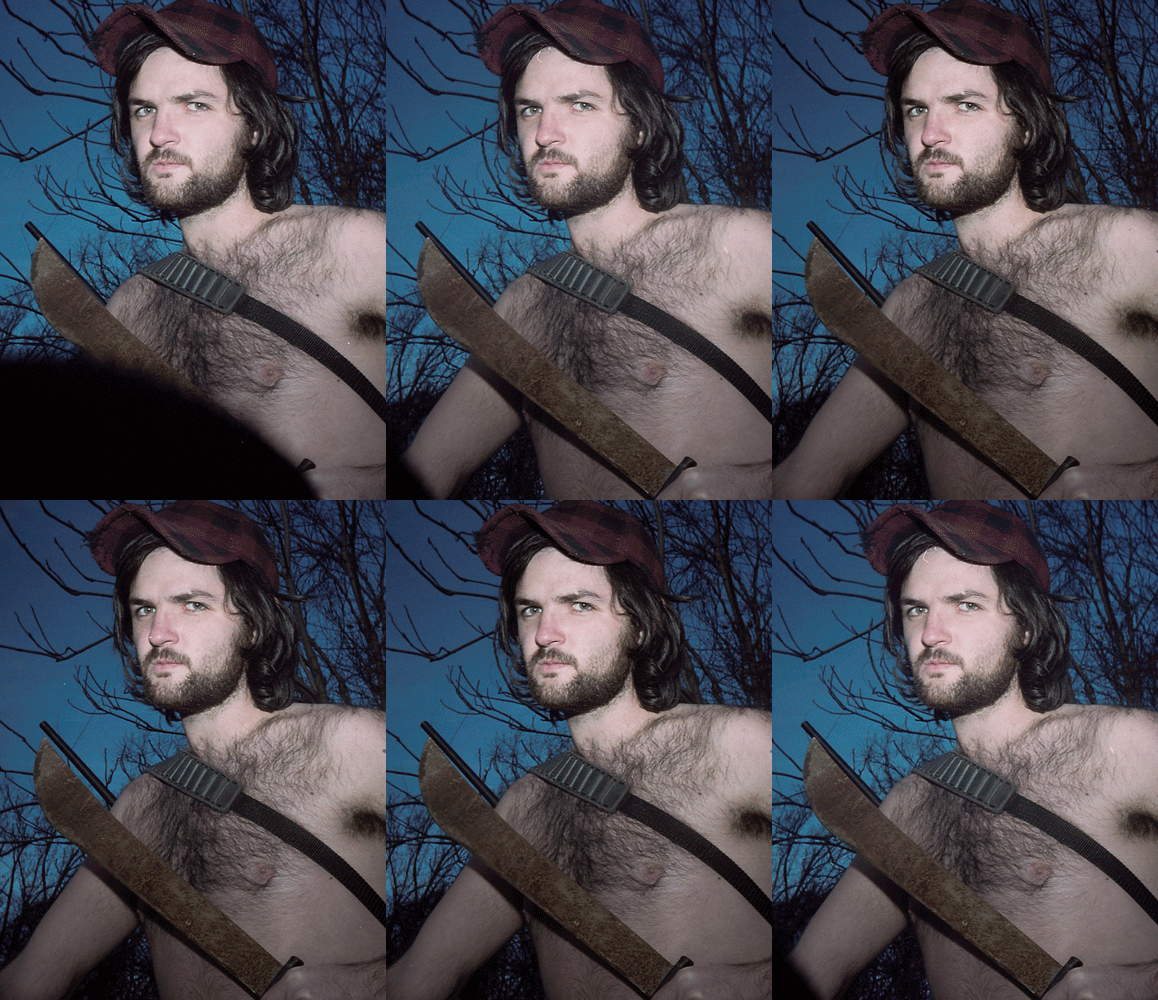
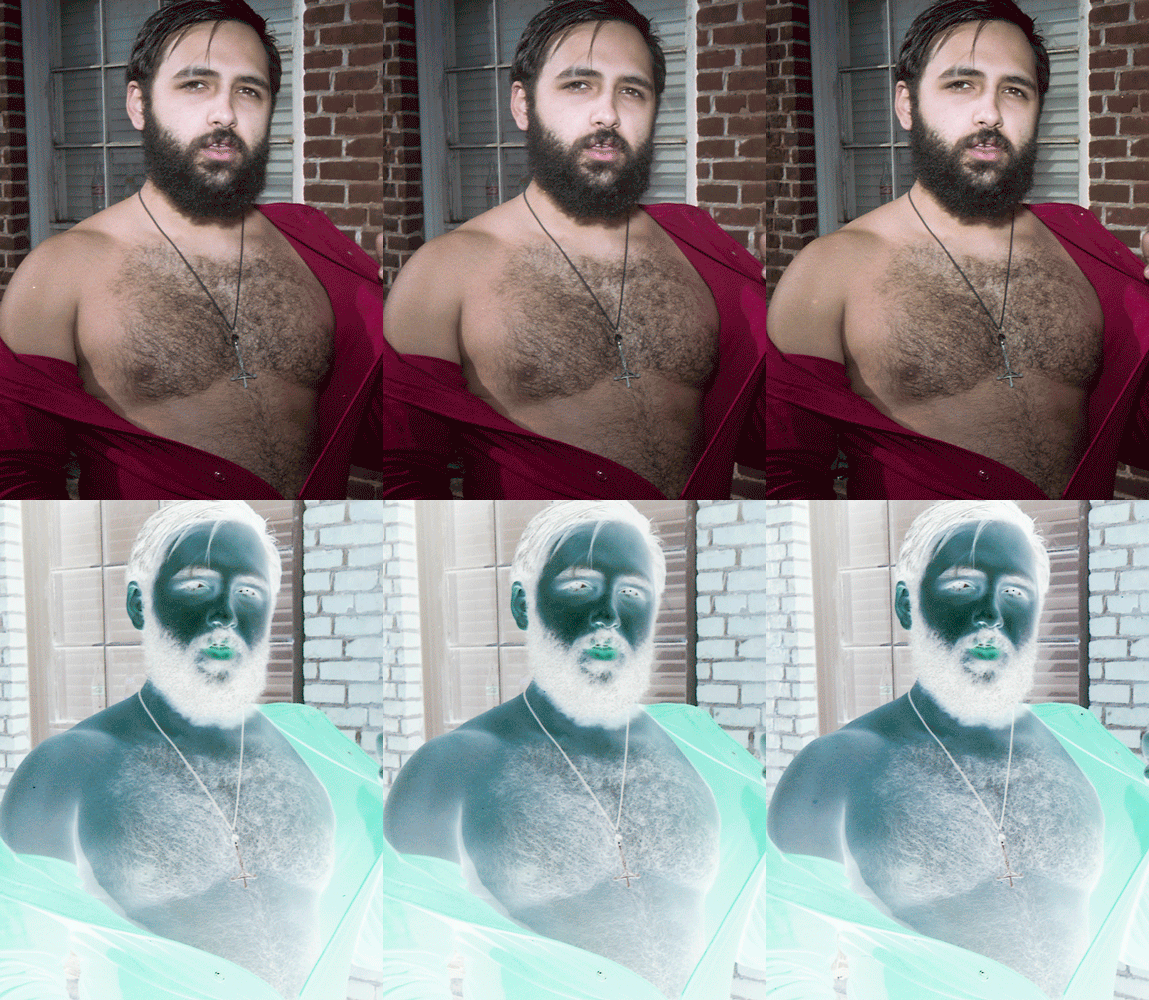
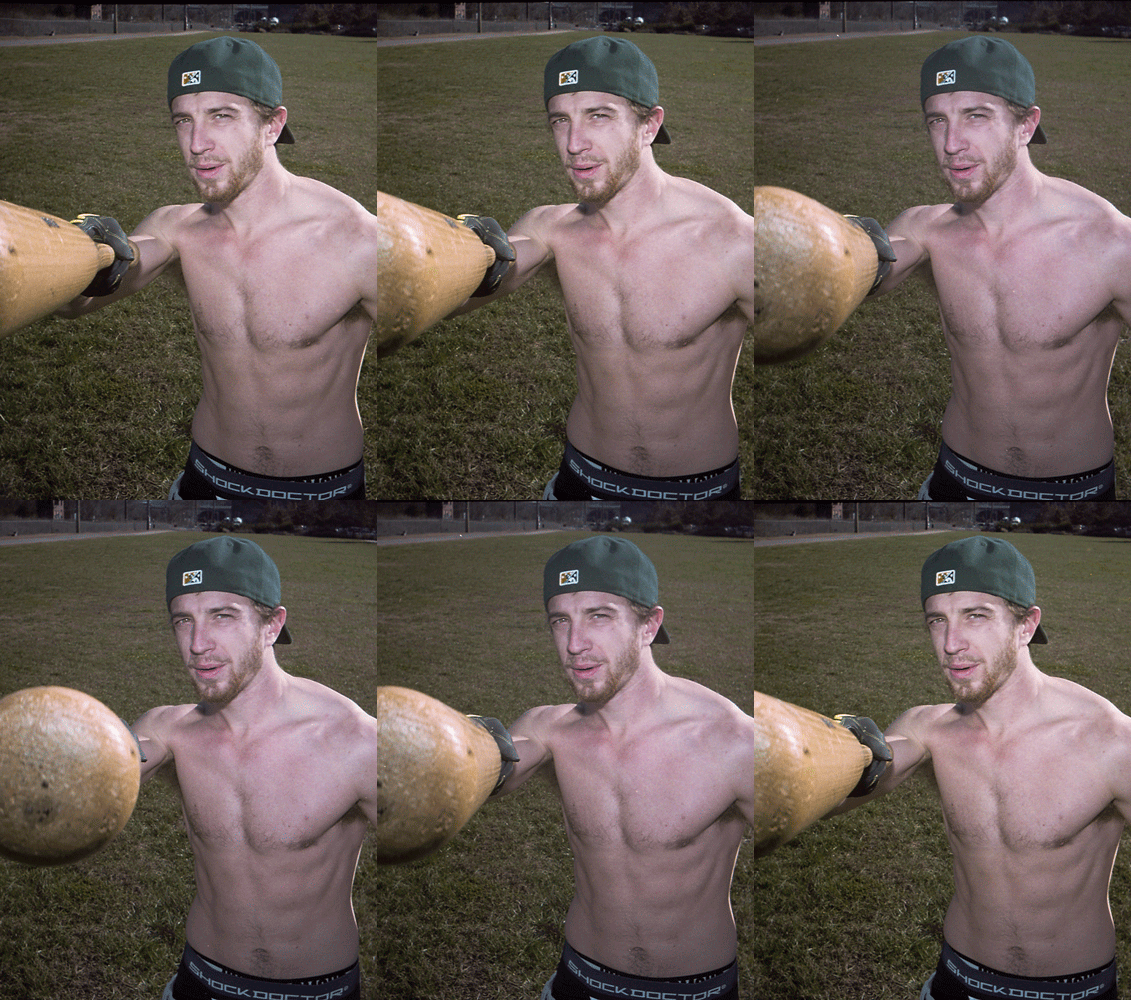
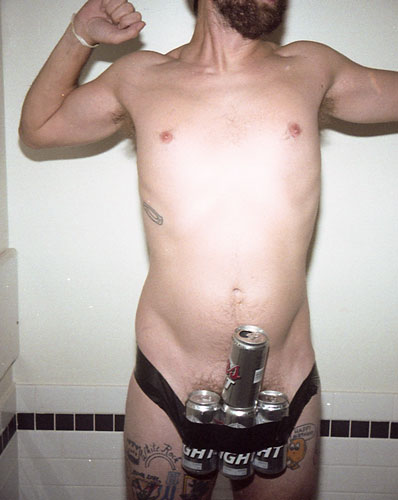
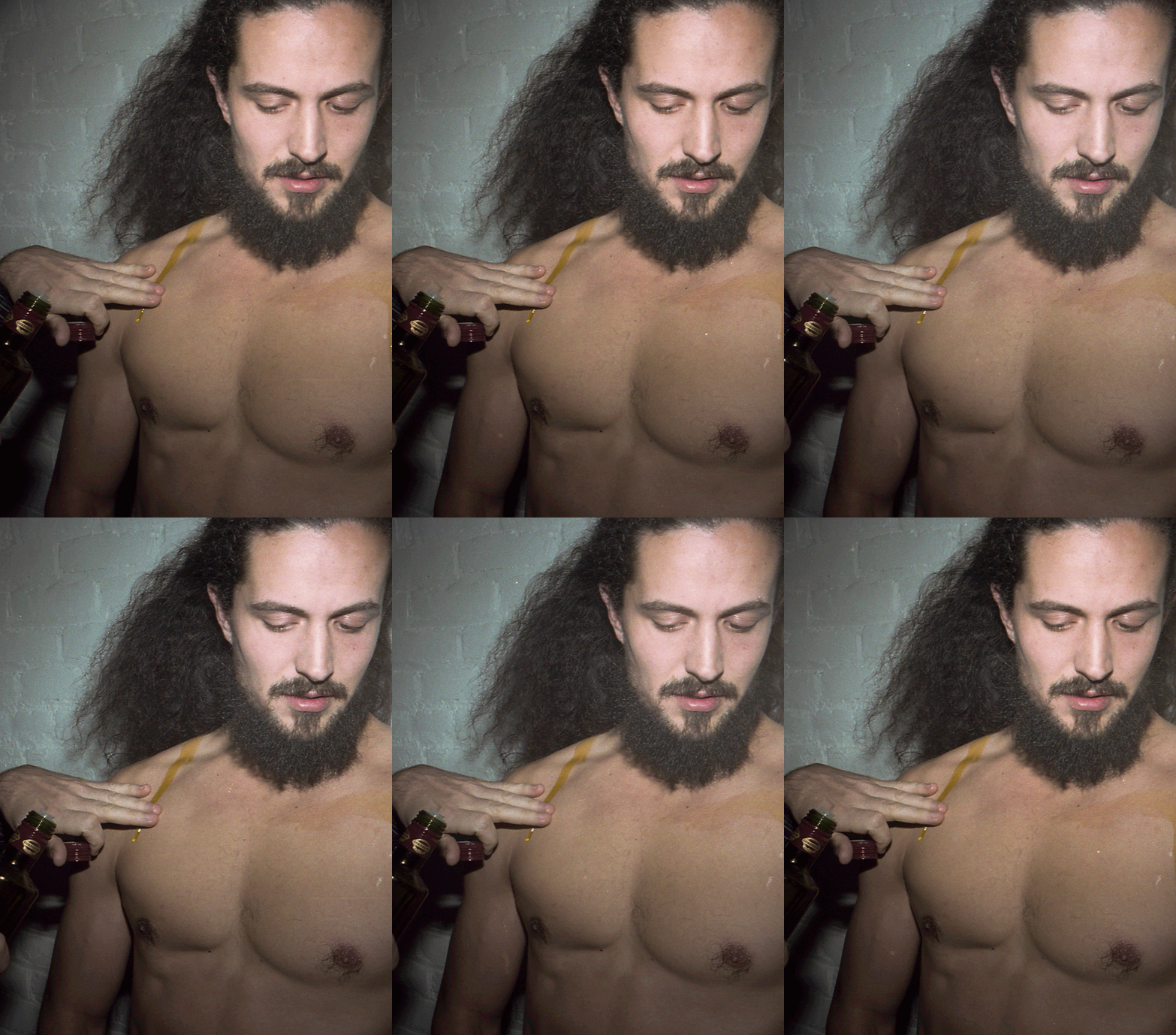
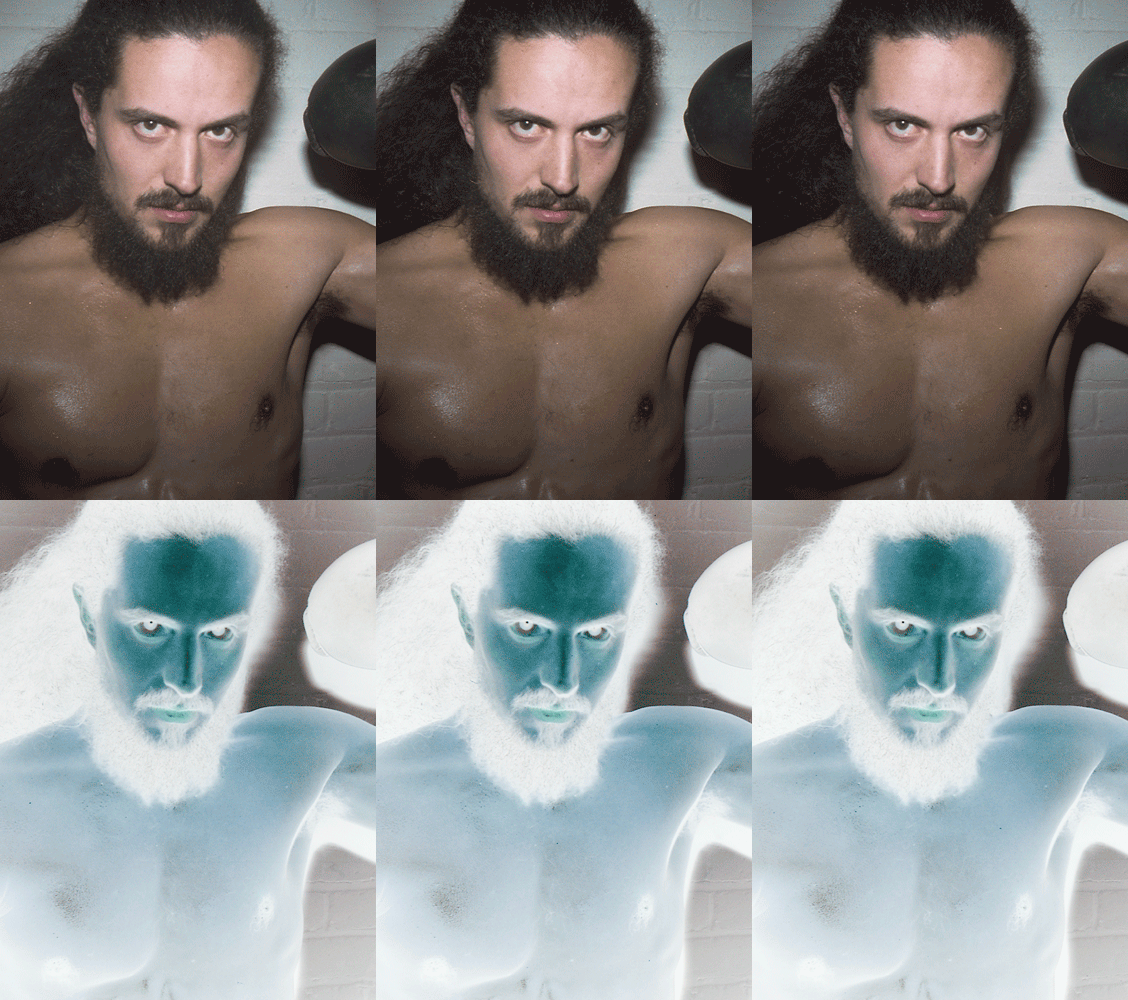
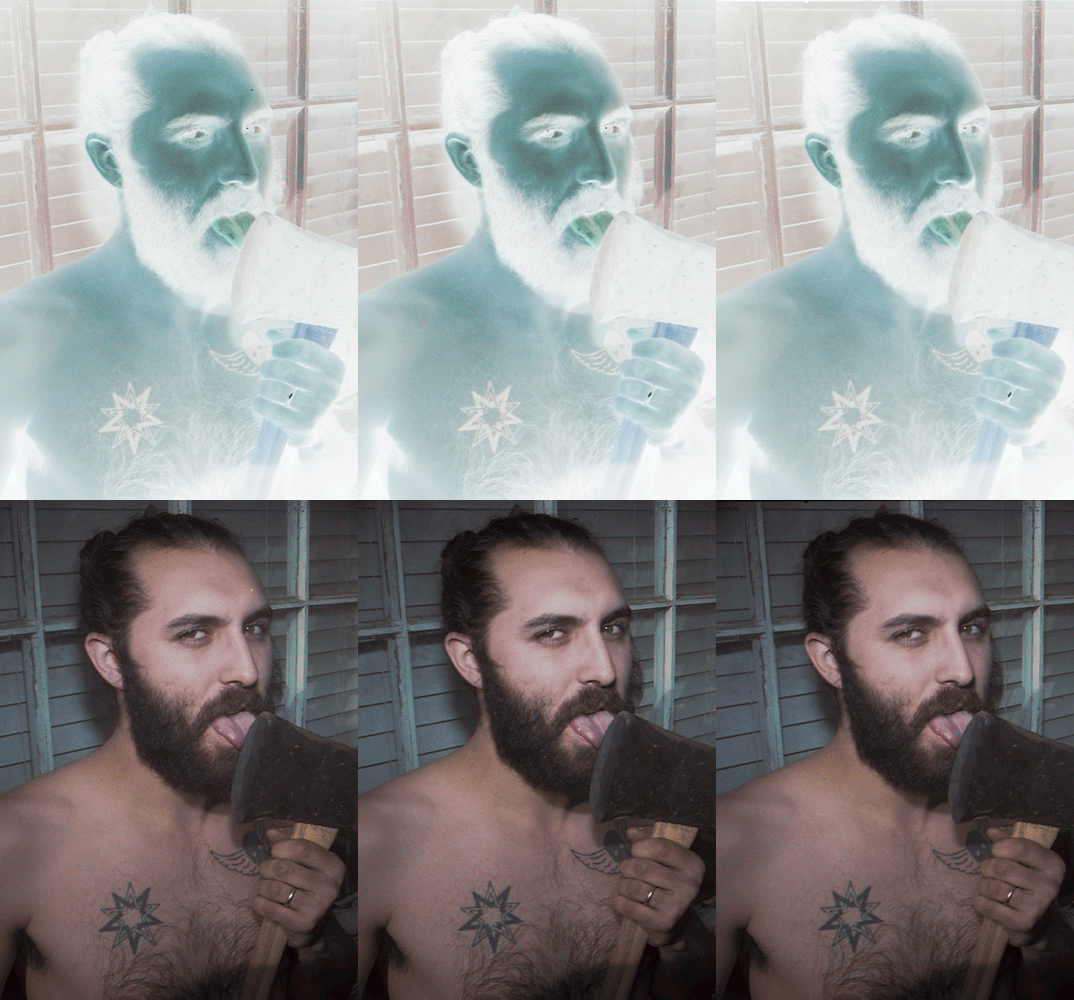
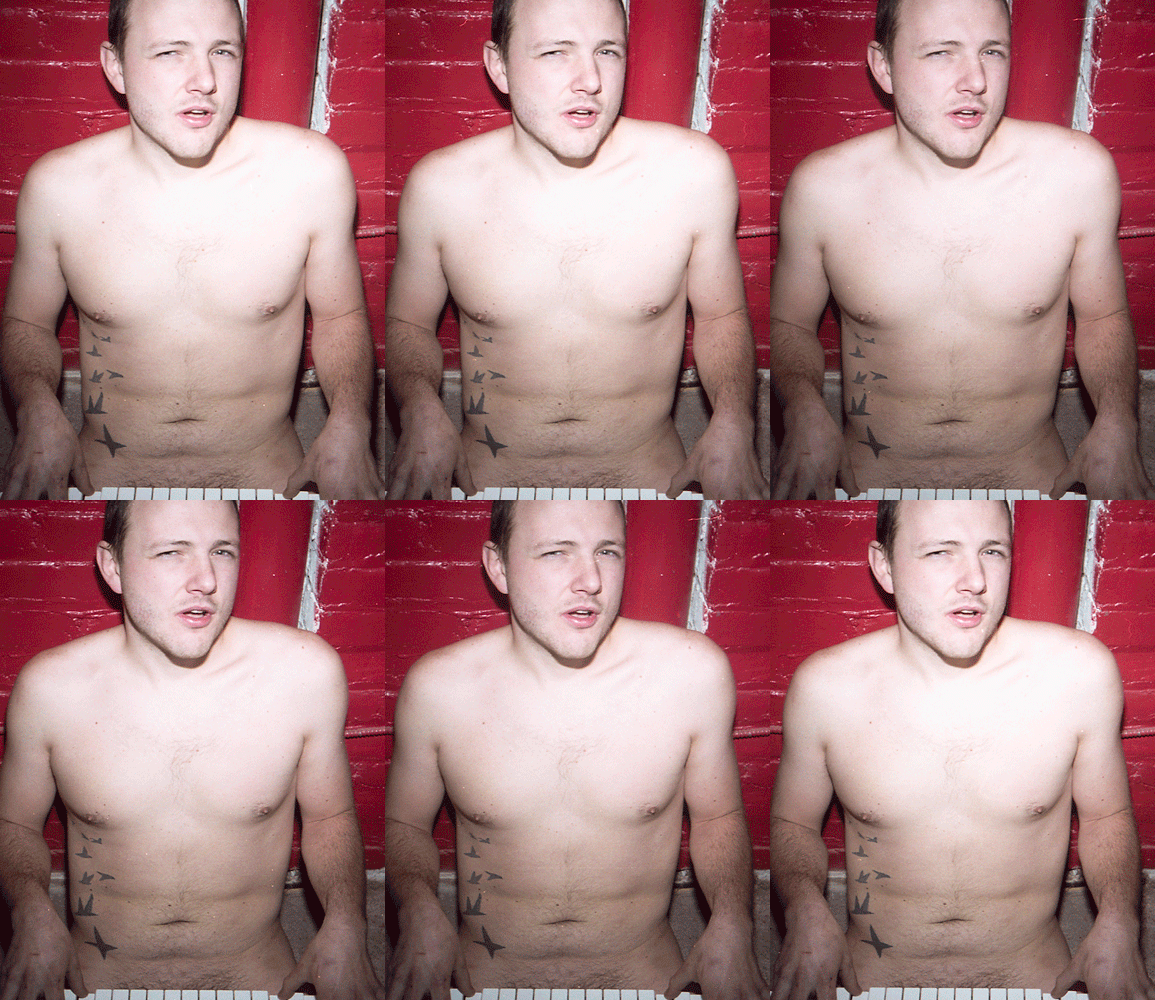
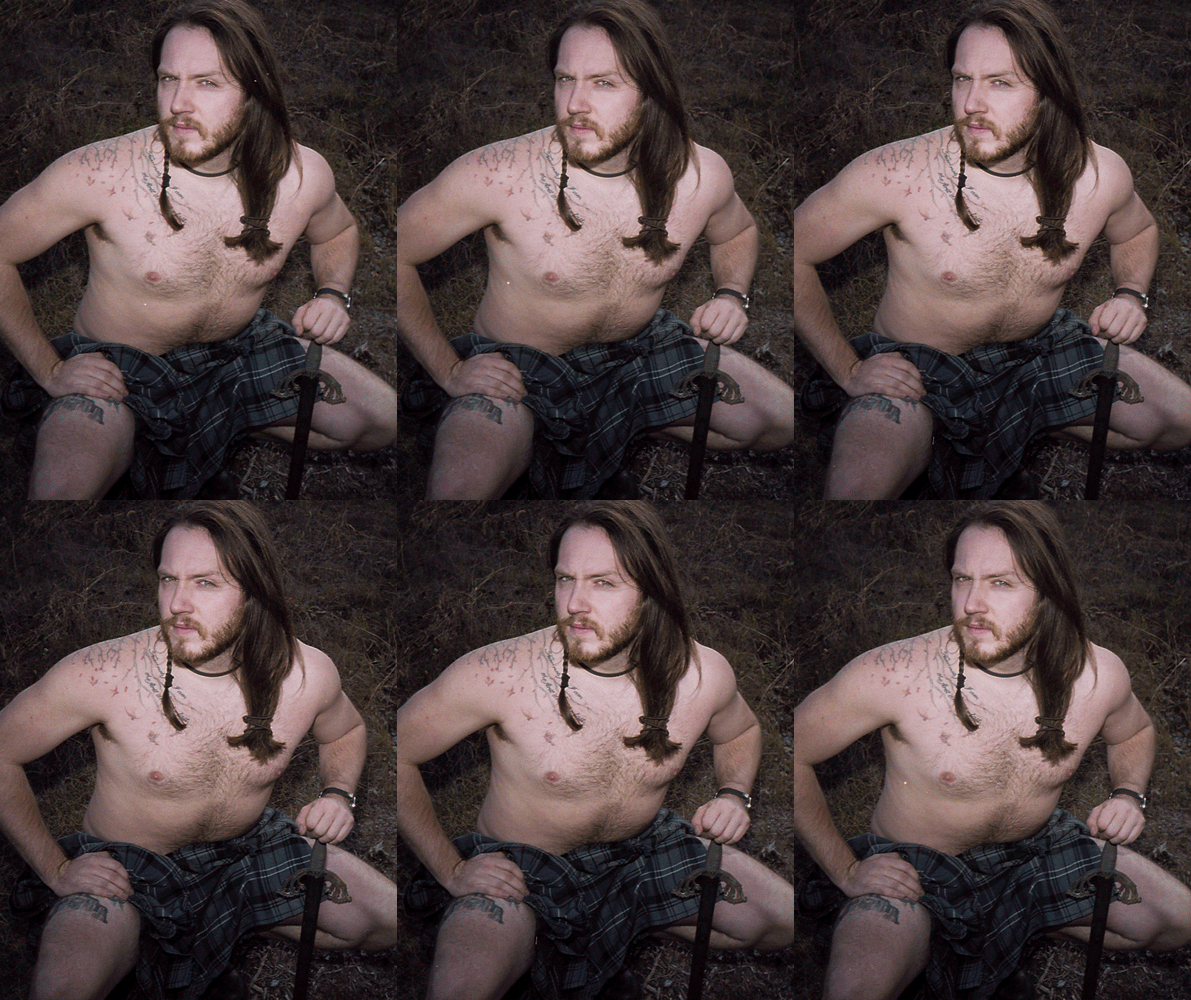
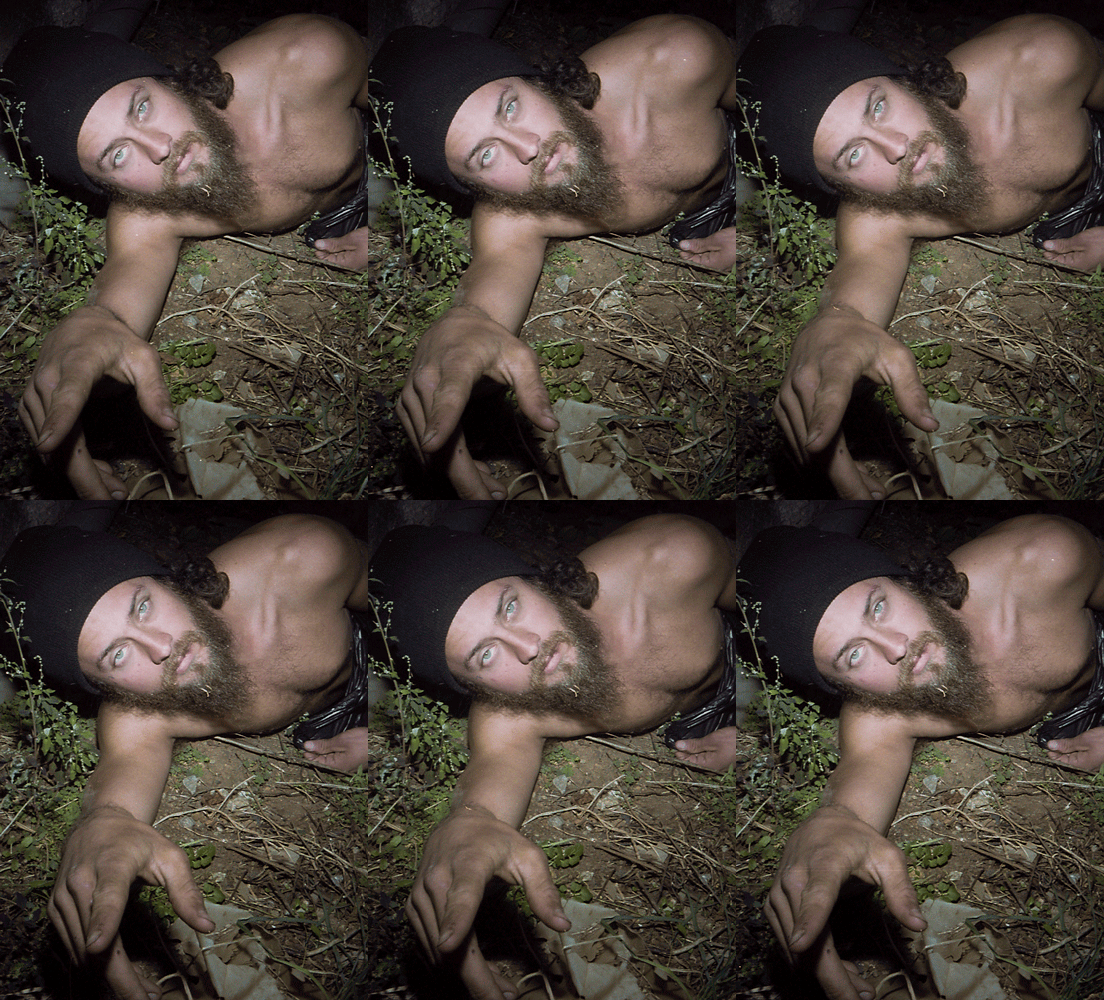
Armed with a 5D Mark III and a speedlite, Foster Addington directed while I shot (and directed a little) for this calendar shoot, done with a nod to T.R.
This is the fifth annual mens calendar that Rivermont Pizza has produced and the fourth one I have been a part of (this time only on the other side of the camera). Each year the calendar has been sold, proceeds go to a local charity.
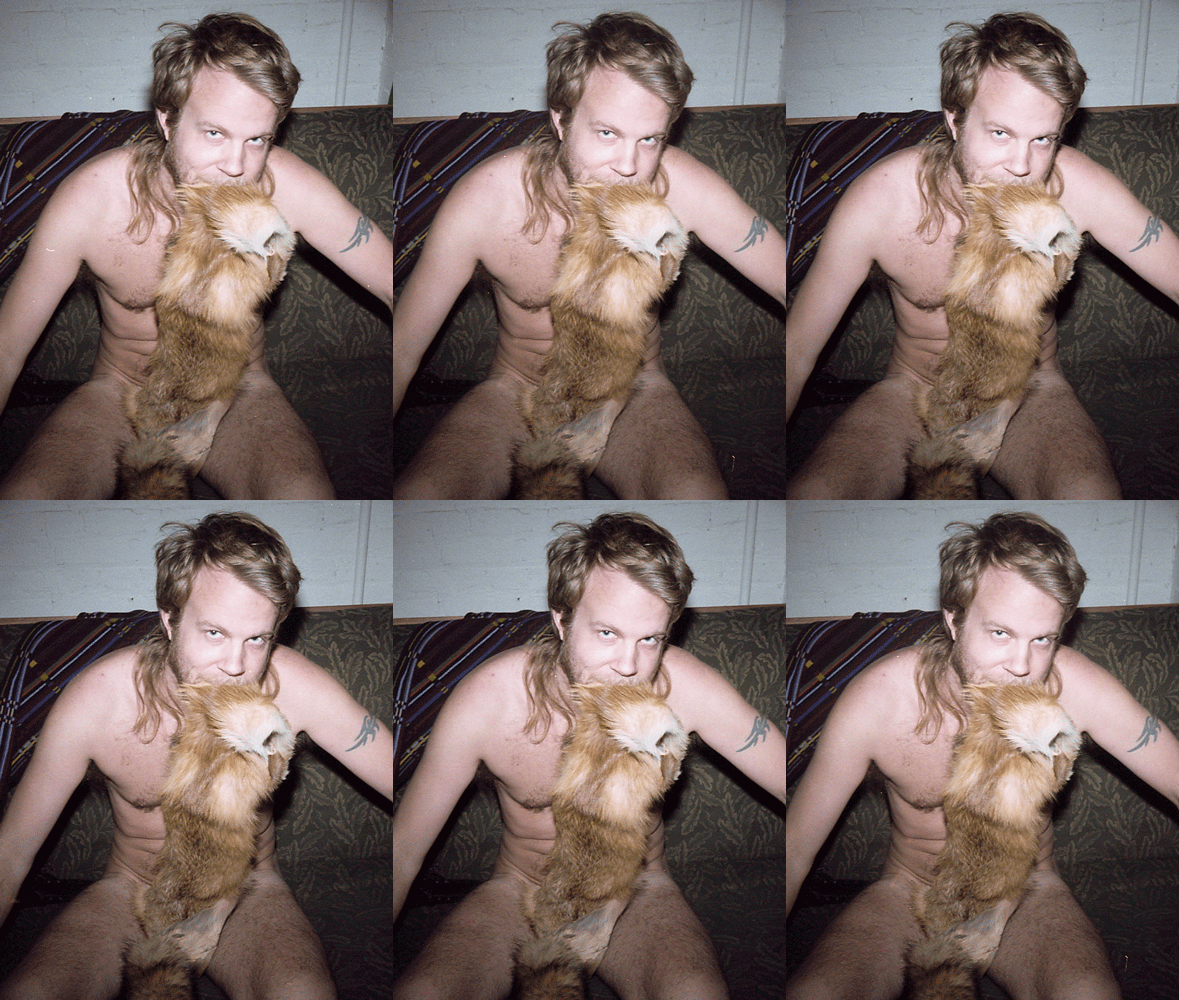
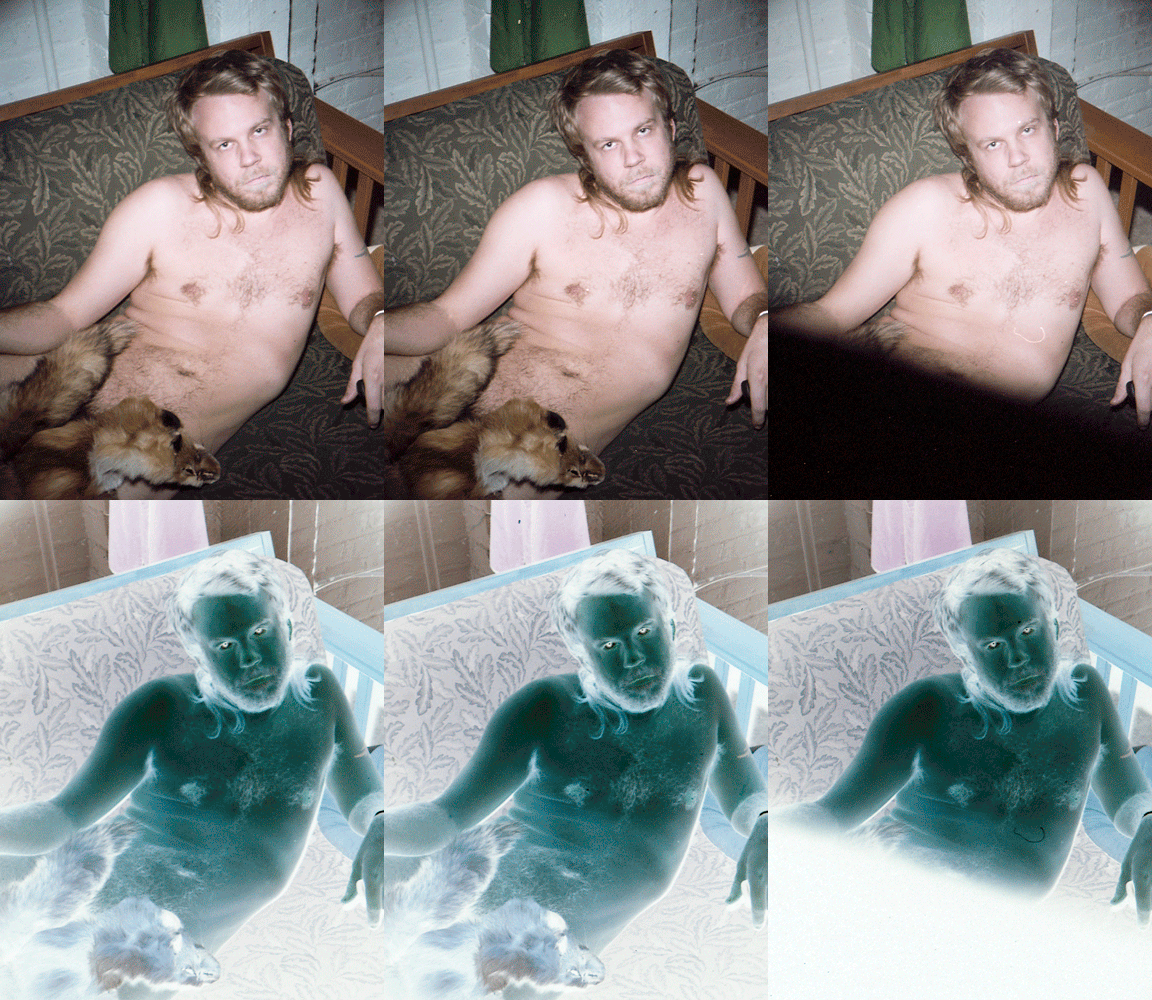
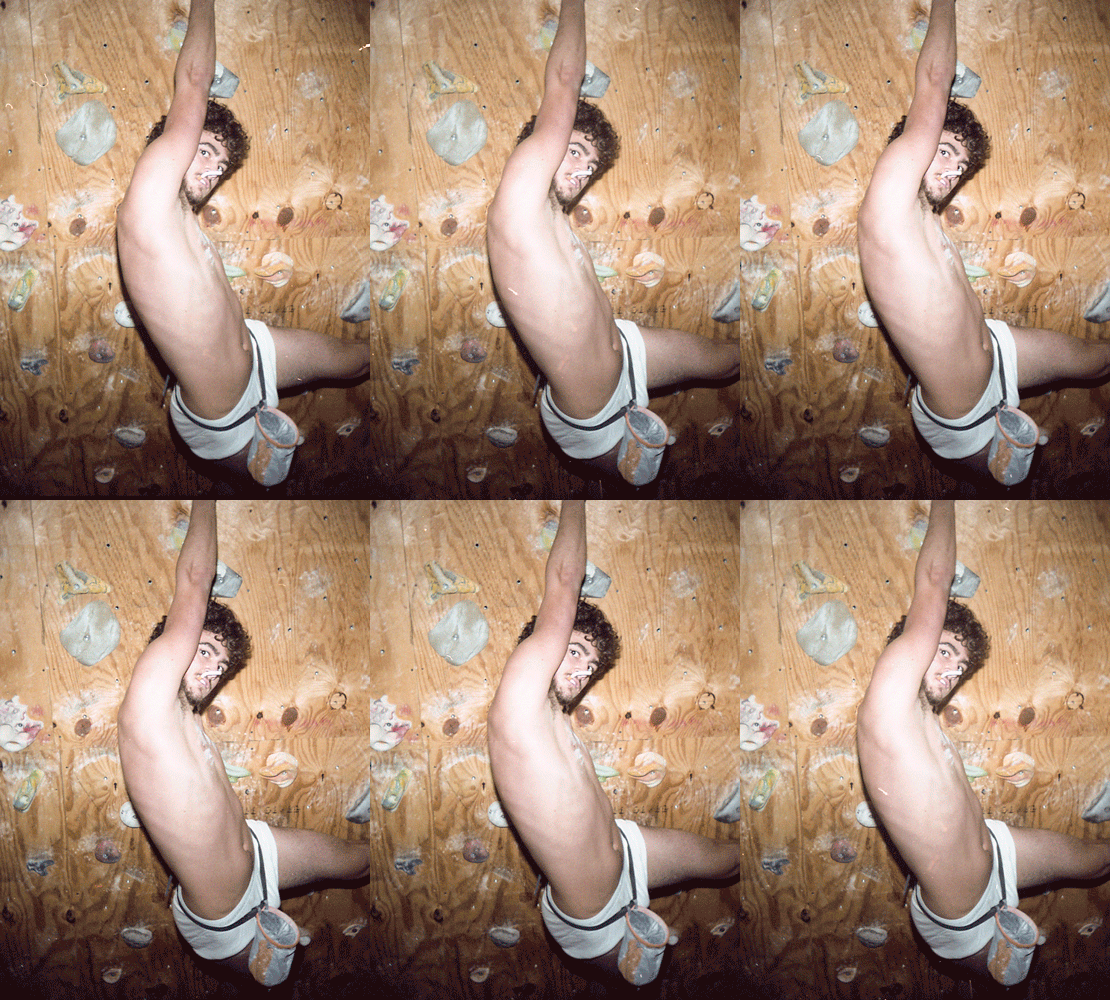
If you don't have the calendar, you can see the images (and behind-the-scenes 3D GIFs) here.



Wedding Film: Brad + Jordan
My first attempt ever at filming a wedding.
Dropped in deep end and this is what came as a result. Enjoy!

Glass Oaks' "Dim Coal Night" (Nashville, Tenn.)
I've been doing a bit of soul searching this week in Nashville, taking a break from the Lynchburg, Virginia, backdrop.
While staying with some old friends, another group of friends traveling back to Lynchburg from San Diego stopped by, some of which are from the band Glass Oaks, and I filmed them playing an acoustic rendition of their new song, "Dim Coal Night."


When you give a writer a camera (part 2)
Lucas Quarantotto, my younger (but much stronger) brother, recorded this and the last video in succession, since it was getting to point where his fingers were getting cold to play.
As I said in the video's description, we normally play this together (with myself on slide), but I love hearing it this way -- as he originally put it together -- on an old Yamaha someone gave me in the 9th grade.
Bad luck blues. Lucas Quarantotto. Good stuff.
Recorded with a Canon 5D Mark II at Colony Live (www.keepcolony.com)

First attempt at filming: Lucas Quarantotto — "Future Daughter"
This past winter, I wanted to try a new medium: DSLR videography. I have been able to tinker with this more in recent months, but here is video one of two of my first attempt.
This was shot in the gymnasium of the Keep Colony (a venue called Colony Live), on a very cold night. I finally started messing around with Premiere Pro this week, so I took some time to upload this to YouTube.
So here it is. My younger brother Lucas Quarantotto (we play in a band together, along with our older brother and another friend) practicing one of his originals, shot on a Canon 5D Mark II.
And now, here's is what the venue space looks like in full swing. Video by @fosteraddington.
Colony Live Promo from DuckDuck Collective on Vimeo.

The Evidence of Things Not Seen — Vic Sizemore
Video Matthew Addington and I shot for Spaces Lit Mag of our friend (and great writer) Vic Sizemore.

Unstuck in space and time
It has become obvious that I'm unstuck. I'm in a perpetual state of leaving and going to all at the same time. Even while I'm sitting here writing this, I'm thinking about where these words could possibly go, and how I have to leave this job and go to another within a matter of hours.
I'm always going and leaving, which leads me to wonder which places am I leaving from and which am I coming back to. In short, there is no place that I go to where I finally "am" and that when I leave it I will eventually come back to it. I'm going off to somewhere else where I will eventually leave and then return to. All of it.
I'm realizing that the idea of coming and going is nearly irrelevant. I simply "am" wherever I am -- in one constant and permanent stream of nowness, and it's infinite, because when I inevitably die and decompose, the matter that formerly made up my skin, teeth, blood, flesh and these days mostly hair, will dissipate through the earth and the atmosphere, only to be recollected somewhere and become something else.
The point becomes to make sure that wherever I am in this moment, that I am making the best of it and not giving too much thought to what I have done or could be doing in the future. It's irrelevant, because neither of those timescapes exists. It's only what I'm doing in the moment that has any actual meaning, what I'm doing to build upon and enrich my forever current state of being.
It's always now. It always has been and it always will be.
It's infinite. Like an abyss staring into another abyss trying to make sense of it. Or, better yet, mirrors standing face to face. We're all doing this at all times, simply reflecting other people and everything, which is also reflecting itself. Infinity.
This is significant for creativity. At least it is to me in this moment. Knowing that whatever I do is a reflection of my environment and how I interact with it, and how that "image" is reflected again and again without end. The simple way to say it is that "everything is connected," which I believe to be true, but I believe that phrase is a misdirected oversimplification.
I believe that in the same way holy texts use the phrase "I am," that "We are." And it doesn't matter what happens tomorrow or in the future or after we die. Because it all will just be whatever it is, so it's ridiculous for anyone to do anything other than to just "be" and "do," since that's all there really is. Outside of that, it's all just distractions keeping us from being fully present and actually living.
My mind is so caught up in it's own constructs and endless loops that I fail to "do" more than I actually do. Even 90/10 would be an overly-generous ratio.
But enough of that. I'm approaching the precipice where my continuing to write this could begin to infringe upon "doing" and become more of a now waste. The only way, then, to be there, it to just jump into stream. And instead of letting it carry me along for a ride or, worse yet, sinking or trying to swim the other way, I'm charged with more than simply swimming with the tide: My task (or my life's purpose) is to create currents of my own.
Now and forever.

New articles, new insights, but more to come {in brief}
For my second piece in Lynchburg Business magazine, I was assigned to speak with local building juggernaut, English Construction (PDF). It's becoming a trend, it seems, that I'm on the construction beat. My third (PDF) was about an mammoth renovation going on in what was formerly the most advanced textile research facility in the country.
I'm a couple months in on my adventure of non-traditional employment. I do supplement my workload with shifts at my favorite bar/pizzeria and by doing some page design for newspapers in the region, but I have yet to regret my decision to leave my full-time job this past July.
There is definite struggle, though — it's what I signed up for. As compared to months (years, even) past, living feels much more full over these past few months. I'm doing more of what I enjoy. I'm more active (read: losing cubicle fat) and spend more time with my kids. And opportunities are opening up like never before.
So I might be tightening my belt from the combined effect of being more active and not being able to afford as much food, but I'm living for myself and my loved ones, and not under the thumb of any employer that maintains that they have any right to dictate the way I look, speak, dress and think.
—@MARCELOASHERQ

The Weeds series finale: Terrible, great and ponderings on my existence
Note: Spoilers lie ahead, if such things concern you ...
Weeds — eight long years I've been watching this show. Eight. And less than a week ago, the stash finally ran out.
I'll admit my joke was terrible, but oh so in-line with the absurd/maudlin/corny tone that Jenji Kohan's series (d)evolved into having.
Jenji (who likely will never read this), I mean you no disrespect. What you created took an level of effort and creative fortitude that I cannot yet fathom, but critics will caw and scratch none-the-less. I don't consider myself a critic, though. I believe most critics are people who attempt to tear apart creative works as an expression of their jealousy for not being able to create something themselves. Especially literary and music critics. So, no — I'm not a critic, just someone who enjoys watching my own experiences and understandings interact with various forms of content, especially within mediums that I want to use for my own work.
The finale shows life for the characters some 10 to 15 years after the previous episode. Nancy's young half-Mexican son is now a teenager (and appears to be less of a Mexican than Louis C.K.). I kept waiting for the show to pull back from the odd ghost-of-Christmas-present-esque flashforward, but it was "real."
Kohan added a few nods to the beginning by including characters we've not seen since the first few episodes, accompanied by self-aware jokes that stretched just as far.
When the series started, the general consensus was that it was fresh and unruly -- unlike anything we had seen before. But with each new change of scenery, the show jumped so many sharks that it became impossible to tell exactly where Kohan had gone wrong. Andy, the one character who seemed adamant to not become a overly-lit caricature of of himself, held on a unique and dynamic character throughout most of the series, but at the end started to shed layers of complexity until he too became overwrought and predictable. Nancy, the main character, became the worst example of this downward transformation (a negative arc).
The final episode ballooned with sentimentality. It reduced the series to near-slapstick comedy (half-Mexican son causes his bar mitzvah to implode, but still enjoys the afterparty dressed as Tony Montana).
To Kohan's credit, not all was low-brow. If you wade through the miasma of a self-aware finale, there are a few gems, my favorite being Andy encouraging a desperate and unseasonably youthful Nancy to seize her freedom and pursue her true identity. I love how she seemed to receive the exhortation as a Sisyphean sentence. He meant it to be a Promethean one. Nothing in the entire series better captured the essence of her character.
* * * * *
Like I said, I've followed the show off-and-on for about eight years. I am not sure what continued to drive this compulsion past the point where I came to hate Weeds (somewhere in the fourth season). It's probably the same thing that sparks my unwillingness to leave a party before it's absolutely dead, to not stop halfway through a novel (except Mine All Mine — sorry, Adam ... I did enjoy you in person, however) or to stay up far enough into the night to ensure tomorrow will be a rough one.
I realize this is mostly wasted time, which scares me, as I have only so many hours in me to answer some of the show's central questions:
- How am I to exist?
- Who am I?
- How am I to earn a living?
- What societal norms am I to reject?
- In what should I raise my children?
Maybe it's those same questions that drive my compulsion to keep seeking, regardless of how "right" or "wrong" the places are that I'm looking.
The trick, then, is to be able to channel this into my creative efforts, and not put on another episode of Workaholics at 1:30 a.m. on a Thursday.

A Farewell to Friends
This week marks a major shift in the Lynchburg, Va., creative community. We are losing four individuals who helped shape and evolve the artistic atmosphere here in our city — Chris and Lauren Baker, Myles Katherine and Dave Justice — to Portland, Or.
We’ll try to forgive you, Portland.
To celebrate our departing friends’ time as Lynchburg creatives, The Keep Colony hosted a multi-act concert and artisan fair on Aug. 4. There were performances by Lynchburg bands Poppa Smurf and the Last Unicorn, The Hawk and the Rumor with Victory Garden, Matthew Paul Butler and Thee Vandal Choir, and Rugby (Chris Baker’s band), and also performances by Goodwill Falcon, of Norfolk, Va., and Gull, of Philadelphia, Pa.
After pushing the limits of the local noise ordinance, we shifted the party to favorite watering hole Rivermont Pizza and finished out the night by watching one-man-band Gull play a skull bending set on guitar, vocals and drums.
As of this writing, our friends are traveling west in a caravan of vehicles stuffed with music gear, MacBooks, DSLRs, cats and whatever clothing they had space for. We bid farewell to our friends and look forward to seeing what they accomplish, but always hope for their return — even if only for a visit.
- This post first appeared on the (now defunct) website for The Keep Colony.
- Visit the site to see photos by Matthew Foster Addington and links to the performers' content.

How I've come to quit my job: A courageous journey or a quarter-life crisis?
"Give your character stakes. Real, primal stakes." -- Blake Snyder, Save the Cat!
-------------------------------------------------
At this moment in my life, I am 27 years old. I've been married for 6 years, and in January my wife and I will be having our third child (gender TBD). As of this writing (10:02 a.m. ET on Monday, August 13), I'm supposed to be rushing to clock-in and get my headphones on, and otherwise just be ready to sit in the call queue in anticipation of another phone call that could mean a auto insurance sale.
That is no longer the case. I put my two weeks in at my "real" job las week, but they sent me home the following day. A the end of those two weeks, I won't have health insurance either.
To those of you who know me personally, I know there is likely one of two things running through your head:
- You're an idiot
-or-- No guts, no glory
I imagine the reality of this situation is somewhat true on both counts. But the time has come.
Don't misread me -- I am thankful for the position I just left. It was a great company that provides a great commodity, but the actual function of my position wasn't something I could physically bring myself to do for 40 hours per week. At the risk of sounding pretentious, I am of the creative temperament and born during the information and technology boom of the 80s; my head is full of movie and literature quotes. I'm a writer of screenplays, short stories, marketing material and (I hope) a few novels.
Traditional employment does not suit me.
During the last 5 years I have held four "real" jobs. The last two combined barely account for a single year. There's something that happens when I get in an office setting, particularly in an office setting where I'm not able to practice what I'm good at. In short, I lose my head. The day-to-day experience is similar to being crushed beneath an ever-turning stationary wheel. I'm pulled up around the circumference of the wheel from time to time, but only to be thrown back beneath it to further feel it's grinding force.
To me, this is not life -- working in a such a way that I am in a perpetual state of exhaustion and broken of spirit. I see others in similar situations and I'm pained to see it. To me, life isn't too far from the art of storytelling. There needs to be, as Blake Snyder says in his book Save the Cat!, "Real, primal stakes," for a story to have any real significance. The stationary lifestyle of working 40 hours per week in an environment that progresses me neither personally nor professionally is not a life with any risks. It's the safe life, a boring and otherwise inconsequential existence.
Therefore, I'm embarking on an experiment: Is it possible for me to support my family through alternative employment means, to make money on my own steam and not through an expected base paycheck, regardless of my performance? We shall see. I've thrown myself into the shark pool and I'm bleeding profusely.
There will be slight shift in this site during the weeks to come. A new layout perhaps (UPDATE: done!), but also chronicling of my (mis)adventures as someone who has made what many will see as a foolhardy error.
So watch and see the train-wreck or observe as the garden of my words and efforts continues to grow. Either way, something has to happen. And if I fall face-first to the ground, the dirt will taste sweeter than the honey of ordinary success.

Prose & Pizza, Volume I: A recap
To help recuperate money spent on throwing a two-day music festival in September 2011, my friends and I organized a literary reading at our local pizzeria and watering hole, Rivermont Pizza.
------------------------------------
I’ve been known to do foolhardy things -- to get an idea in my head and pursue it to its furthest extreme. An example? Right now comes to mind. Many of my efforts outside of my employment hinge upon Lynchburg's art scene, and what I’d like to see it become.
Specifically, my friends and I put on the Hill City Roots (a.k.a. Seven Hills Folk Festival) music festival in September, when everyone and everything told us it would not happen. Everything was working against us, even our own haphazard schemes toward organizing it.
It did happen. Albeit, the turnout was not what we’d hoped, but it wasn’t anything surprising. Same weekend as one of the biggest parties downtown Lynchburg throws every year. Same weekend as Randolph College’s alumnae weekend. Same weekend as Land Jam. But it happened. And we learned a lot.
So, it’s nice when things fit together without much in the way of glitches. The Nov. 10 Prose & Pizza, Volume I, reading at Rivermont Pizza has given us a much-needed embrace of afirmation. Kick-ass posters and handbills were designed by Gabriella Muglia and printed by Bright Images. And our readers (Adam Davies, Chris Gaumer and Vic Sizemore) were amazing, which came as no surprise.
The turnout, however, pushed the limits of our expectations.
I arrived on location at 7:20 p.m. that night, coming straight from working on the second installment of the Rivermont Pizza Christmas album. We set up, had a couple of drinks and waited for the crowd to trickle in.
Except “trickle” isn’t quite accurate. The small, graffitied room swelled with 70 people before we had a chance to check our watches.
Vic, one of my closest friends, kicked everything off. It could have been the beer, my over-analytical nature or a combination of several factors, but I perceived a disengaged stillness in the room. I wondered if people were paying attention at first, and remembered that I botched the introduction.
“Who is this white guy with an afro?” they must wonder. “And this reader wearing a Big Lebowski T-shirt -- why should I listen?”
Whether my thinking was based on reality or just nerves soon became irrelevant. Lights sparked, pair-by-pair, in the eyes that exchanged glances with familiar eyes.
It was clear: My boy’s got skills.
Vic finished his reading. It was a story that developed and revealed itself in the way that only good stories do; a story that the audience becomes engrossed in and really experiences. John Gardner calls it the “fictive dream.” You forget you’re reading a story or listening to someone read to you, and simply exist in the dialogue and subtle details.
Flannery O’Connor said that a great piece of fiction can’t be described to people who ask you what it’s about. You just have to read it. In the same way, I doubt anyone walking away after Vic finished could have explained to anyone what his story was about. The listener did, however, know what it was about because he or she experienced it -- in 1080p HD.
The crowd’s enthusiasm did not wane as the evening progressed. Chris Gaumer (another good friend of mine of more than eight years) adjusted the microphone, took a breath and took off.
I’m sure I had a stupid-ass grin on my face the whole time, but I wasn’t alone. My friend Leah could sit up straight for only so long before her torso lurched forward in laughter.
Was it that good. Yes, it was that good. And it was in Lynchburg.
Eat it, naysayers.
And it’s no easy thing what Chris accomplished -- standing in front of friends, students, colleagues and strangers, to lay dozens of hours worth of hard work out in the open. Especially when some of it dealt with the nature of his being beleaguered by ubiquitous bed wetting and therefore unable (mostly) to attend childhood sleepovers.
Novelist and Lynchburg College writer-in-residence Adam Davies did not fail to live up to expectations. He read a few scenes from the highly-praised “Mine All Mine,” with details that would have made everyone uncomfortable if they had not been so amusing.
And, Adam, from the bottom of my heart, thank you for the glass of Jameson -- warmed my soul, it did.
And thank you, attendees, for being there. Despite being packed in like bondiola rellena, you all sat through like champs, and we all had a great time.
Humbled and excited for our future events. Stay tuned as This Is Lynchburg takes our readings on the road -- we’ll be gracing various restaurants around the city for later readings, and will definitely host more at Rivermont Pizza.

Once upon a time, I interviewed (The) Facebook cofounder Chris Hugues
When I started pursuing writing back in 2005, I knew almost nothing about journalism, and what was then called The Facebook was brand new (and available exclusively) to college students. We had no idea how the social media platform would come to define our generation.
I thought it was pretty cool and I wanted to write about it for my practicum writing for Liberty University's student newspaper, the Liberty Champion, so I sent an email to The Facebook, which eventuated in some back-and-forth with cofounder Chris Hughes. I'm still trying to locate the PDF of that issue of the paper (it seems I've found every single one I either appeared in or designed except this one), but want to share with you what I wrote then, despite how it reveals how much of a novice I was.
Below is the unedited draft of what was published in the 2005 spring semester.
~~~~~~~~~~~~~~~~~~~~~~~~~~~~~~
Get Poked
by,
Marcelo A. Quarantotto Jr.
LIFE! Reporter
Liberty Champion
As of April 2005, LibertyUniversity has been overtaken by one word: Facebook. The Facebook is an internet-based networking phenomenon that has become somewhat of a craze among Liberty’s student body, as well as being utilized by various faculty members.
Back in winter of 2004, the gears in the head of Harvard Student Mark Zuckerberg began to turn as ideas formulated to what The Facebook is today. Zuckerberg, the founder, eventually joined forces with Dustin Moskovitz, officially known as “Destroyer;” Andrew McCollum, called “Lockbox;” and “Pressguy,” Chris Hughes.
Hughes states in an email that the original vision “was a pretty simple concept: to create a universal online database for college students with social-networking functionality.” He explains how Zuckerberg wanted to create an alternative to the standard college yearbook that often leaves students disappointed and/or embarrassed, and instead give students something that they can customize to their own personal predilection.
During The Facebook’s initial release on Wednesday, February 4th, 2004, “it was a project by and for Harvard students,” claims Chris Hughes, “but because over 6,000 Harvard kids signed up within the first three weeks, it seemed ridiculous not to open it up to a few other schools.”
As it stands today, The Facebook has about 832 colleges and universities registered, which includes about 3.6 million students, teachers, alumni and the like. On the website’s “About” page, it describes it as “an online directory that connects people through social networks at colleges.”
What is the future for The Facebook? Chris Hughes claims within the next few months there will be right of use for every college and university in the nation, and that the staff of The Facebook will continue to add “new functionalities and features…improving our users’ overall experience on the site.
The Facebook gives its users the capability to search people in their schools by name, gender, graduating year, interests and many other classifications. There is a multitude of other functions offered such as looking into how certain people are connected to each other and seeing who is enrolled in the same classes.
Junior Christopher Bowman, a Broadcast Video major, expresses his satisfaction with The Facebook. Although he doesn’t spend as much time on the site as he did when he first registered, he still says, “The Facebook is great for keeping in touch with friends over the summer break.”
Another Liberty student, Pastoral Ministries major Jason Drinnen, uses his account for more than just keeping touch with friends. “The Facebook is a bridge for ministry,” he states, “It is good in evangelism for reaching our peers for Christ.”
One comical and good-natured activity found on The Facebook is poking. Poking is a feature added to the website that has no real purpose other than sheer amusement. One student can “poke” another by pressing the link that says “Poke Him!” or, “Poke Her!” under another student’s profile picture. The other user will receive a message later with a picture of a finger that says “You have been Poked,” and will be given the option to “poke back.”
“It’s kinda cool when you get poked and you see the picture of the finger,” says Senior Tim Hawks who is double-majoring in Business and Psychology. “It’s a fun way of interacting with your friends when you don’t see them much….especially when you get in a poking war.”
The Facebook will also give users reminders of when another person’s birthday is. Isabel SoriaGalvarro, a Sophomore Family and Child Development major, told The Champion that mass amounts of people were giving here birthday congratulations, even people that she didn’t know!
The capability to find people with common interests is a very prominent theme of The Facebook. For each college, there is the ability to create groups of any kind, and students can join most groups of their choosing. Communications Faculty member Mr. James Pickering is one of LibertyUniversity’s teachers that frequently uses The Facebook. Mr. Pickering confirms the usefulness of it when he says that it “allows students to communicate who have like interests.”
While Mr. Pickering, and other faculty members, enjoys The Facebook as a worthwhile tool for communication, he shares some concerns for misuse. “Let’s not promote or be proud of the negative parts of our university.” Apparently, there are some groups of questionable ethical content.
So, as a message to the incoming freshman, log-on to www.TheFacebook.com, get connected, start poking and mind your manners.
—
Photo source (altered for visibility).

Article: Function is Beauty — Falling Acorn Timber Framing Company
I first met Kyle Murphy not long before I moved to Buenos Aires. He was a recent transplant to Lynchburg, Va., from Raleigh, N.C. Another editor at my college paper had grown up with his wife, Carolyn, in Maine. I guess Carolyn came to Lynchburg on occasion, but they essentially moved to Lynchburg without knowing a soul.
When I finally moved back to Lynchburg, nearly three years later, I'd run into Kyle and Carolyn on occasion. We'd share anecdotes about our kids or news about our mutual friend.
Last month, I had the opportunity to sit down with Kyle for a freelance article I was to writing for Lynchburg Business Magazine. My preparation for such encounters includes as little preparation as possible. I may have a list of questions to ask, but it isn't often that I find it appropriate to ask all if even half of them. My preference is conversation to interview; the responses I get from the few questions I do ask end up being much more meaningful in these situations.
I approached our encounter not without a hint of butterflies. Kyle and I have known each other for nearly five years, but this was the first actual conversation we would have. The interview opened with my telling him that I would be asking a bunch of questions that might seem redundant or obvious, but for the sake of the interview I was going to pretend that I knew nothing about him. I didn't really have to pretend though. At most social gathering's, we'd tip-toe around one another without a damn thing to say. A lot of whatsups and nodding.
Our interview stretched on for three hours, challenging the batteries in my digital voice recorder. Friends dropped in throughout the conversation, and my playing back the recording revealed more than a few instances where I asked myself: "Why the hell did you say that."
That's to be expected.
Kyle went into great detail about his passion for timber framing, a minimalistic style of carpentry where the builder uses large beams and few tools (almost no power tools). And with everything that was said, there was one mantra that rang out: Do things well so others will do things well too. It sounds almost sacred, and it speaks volumes of what should be at the forefront of the mind during the artistic process. The ultimate goal of the artist, then, should not be one of glory or riches -- the goal of the artist should simply be to create the best art he or she can possibly can, that way others are prompted to do the same. Spending time in Brooklyn last week made me think of this concept again. I was surrounded by millions of people, and for any one of them there is probably another 10,000 trying to achieve the exact same thing. The perpetual result is a massive ball of flesh, stone, glass and steel that's in a constant wrestling match to produce better and better things.
But I digress.
The folks at Prototype Advertising were kind enough to publish the resulting article in the July issue of Lynchburg Business Magazine, and even gave me another assignment for another construction company. Is there such a thing as a "construction beat" in journalism?
The article in its entirety can be read here.
View Kyle's work at www.fallingacorn.com (slated for a rebuild in the near future).
Header imagery from www.fallingacorn.com.

Anthony Pisano: Regarding the discarded
I would like to share a film with you all. It is a snapshot of Anthony Pisano, an eccentric man whose East Village apartment in Manhattan looks more like an antique store than than it does living quarters. And as is mandated by the mindset of the causal stroller, individuals are wont to walk into the apartment and past Anthony, who sits out front of the apartment day and night watching people pass by.
"You can satisfy you're curiosity," Pisano tells them, "but nothing's for sale."
Perplexed, they slide further into the store/apartment and find a desk, a bed and -- if they're lucky -- a cat.
"This is my home," he says.
Mark Cersosimo and Kelsey Holtaway's short film, shot on a Canon 7D for Vimeo and their company Departure Arrival Films, shows how Pisano's home is the anti-store; a place where people walk in but cannot buy, they can take something home but no money will be exchanged. These people that walk into his "shop" bring him joy, which is evident by the deep crow's feet around his eyes, created by perpetual smiling through shared experiences.
Cerosimo describes the film as "a story of a man and his home," but it's much more than that. The film is a reminder of the importance of human interaction.
"That's important. That's life," says Pisano.
-- -- -- -- --
Header image sourced from film.

Poem: TO EDDIE, ON THE OCCASION OF YOUR DEATH (ALBIET A SELF-INFLICTED ONE)
I.
When I met
you, you were pissing
in flower planters
and getting choke-
slammed to the ground
by a man who by name was likewise
misplaced.
You were arrested,
more times than I know,
but when I saw it for
myself, I held onto your things
for the night, as police officers
made jokes at your
expense,
and at our expense.
But you never let them
get the better of you,
when they frisked you,
emptying your pockets of coins.
“Great,” you said.
“Now I’m broke again.”
You wrestled a dragon of corn mash
and grain and wheat,
mostly allowing it to
fly right through you
and breathe fire into your veins.
It let you borrow its wings, but
they were wings of chainmail,
and weighted to the pavement.
Yesterday, the weight was too
great. It still sat on your
chest even long after the
dragon wandered off and
waited for you to find it
again behind a grocer’s glass
door.
Instead, you searched
for another door.
Behind it also lurked fire,
but out of your mouth
it would breathe.
II.
So, I sit typing today
After taking a failed bike ride—
I turned around when
I could only think of you.
It was my mom
who told me
that one of the travelers
had committed himself.
Somehow I knew
without a doubt
that it was your name
I’d be hearing next,
the reason for the tears in my big brother’s eyes.
They’re calling it a drunken mistake,
said you upturned
a whole house
just to find the locker’s
key. Fired a few rounds but
lost one in the chamber.
The neighbors said,
“No, can’t help.”
You decided to help yourself,
And found the round.

The dangers of reading biographies
As we approach our mid-twenties, most of my friends are still trying to sort out what it means to be themselves, and how to best go about doing that. We live in Lynchburg, Va., a city more commonly known as the buckle on the Bible belt, and not really for the high percentage of creative people that live in its historic districts.
Many of us — writers, photographers, designers, fashionistas, painters — went to a nearby university that yea-sayers regard as the Notre Dame for evangelical Christians. We found that the lifestyle outlined in the services and lectures to be “not for us.”
So we move on. But we’re creatures of habit, and look for other sources to model our lives after. This can be a movie (how many of my generation has woken up in the morning with swollen fists and a few bruises and thought: “You are not your khakis”?), a novel, a celebrity … but all roads seem to lead to Wikipedia. And — I’m just saying — Wikipedia may not be the best place for life inspiration.
* * *
A while back, I was hanging with some friends at one of their apartments. It’s the kind of place that offers no frills, but is remarkably clean, thus attracting a crowd that may not be making a ton of money, but haven’t quite yet given up on the idea of finding a well-paying job. We had just gotten back from eating at a cheap Mexican restaurant, so we were mostly inert. The news was on the TV, broadcasting an interview with a famous serial killer.
I sat a broken overstuffed chair and extended the footrest. Not broken to the extent that it no longer functioned, but in that it made a noise like the bones of a tin man cracking and groaning with age.
Jesse, a friend I’ve had since before I could walk steadily, sat next to me and showed me a book he found on our friend’s bookshelf called Desolate Angels.
“Is this that author you like?” he asked me.
“One of my favorites.” I said.
“Didn’t he kill himself?”
“In a way, yes, but he did it over a long period of time. He considered himself a good Catholic boy, and good Catholic boys don’t commit suicide. So, he drank a lot.”
Joe was also there. I met him on my first day of college. We connected over our fondness for books, and he has been one of my closest friends (and literary sparring partner) ever since.
“Yep. I hear that,” Joe smiled at us from behind his laptop. The newscast had sent him wandering on the Internet to read about other mass-murderers.
“Who was that other guy who killed himself?” Jesse said.
“Hunter S. Thompson.” I made a gesture of fitting the end of a double-barreled shotgun in my mouth and pulling the trigger. With my free hand, I mimicked what I believed occurred to the back of his skull.
“Ahh, just like ole Poppa Hemmingway,” Joe said, still looking at the computer.
“Aren’t there a lot of writers who killed themselves?” Jesse said.
Joe and I tag-teamed to compose the grim list of literary giants who took their own way out. I explained how Sylvia Plath had done the job and gave my opinion as to why, and told him how Anne Sexton had complained that people would automatically accuse her of being a copycat when she decided to do the same; she was jealous of Plath’s brilliant career move.
“So did she end up doing it?”
I nodded.
Joe offered the final entry. “David Foster Wallace hung himself not too long ago.”
For a moment, the television’s noise filled the room.
“When I found that out, it really shook me up,” I said.
“I can’t say I blame him,” Joe said.
I gave him an uncomfortable smile but he didn’t look up from the computer.
“I kinda think I will too, after a while. Life just gets too damn depressing.”
I laughed, and hoped he would do the same.
“I’m serious — I’m already headed there.”
“Don’t be,” I said.
“Don’t be serious?”
“You know what I mean, ” I said.
“Well, that’s just how it is.”
* * *
Rest assured, Joe is still with us. In fact, he just texted me to see if I want to grab a beer later. Perhaps that’s a better trend among writers to follow (drinking) than putting down the pen for good.

SHORT FICTION: Native Immigrant

[Note: This story first appeared in the Spring 2011 issue of Liberty University's literary magazine, LAMP.]
The June sun shone bright through the sliding glass door of his in-laws’ kitchen in Albany, New York. The golden glow the light created around the room hindered Samuél’s ability to read internet ads. He, his wife, and his daughter arrived the night before from Buenos Aires, Argentina — his father’s hometown. Samuél had been the graphic designer for an alternative culture and arts magazine. When it folded, two months before, they felt their years spent abroad had ended.
He planned to get a job, any job, to save up enough money to pay off the plane tickets they bought on credit, so they could move into their own place. He was as certain of finding a job now as he had been while riding a bus from a futból game several weeks before in the outskirts of Buenos Aires, discussing with his porteño cousin Federico his need to leave. He thought they’d looked like twins, sitting in the same seat, both of them wearing glasses and the same powder blue and white striped Racing Club de Avellaneda jerseys.
Samuél había dicho:
—Che, tengo que irme, Fede, pero no quiero.
—¿Por el trabajo?
A dark-skinned boy with a Nike T-shirt yelled in a hoarse monotone for loose change.
—Claro, estoy secisimo.
Samuél looked out the window to read a street sign.
—¿Pero, creés que vas a encontrar?
—Sí. Hay un montón de oportunidades allá.
—¿Te quedarías si estuvieran las mismas acá?
Federico rubbed his eyes and then reached into his pocket for loose change.
—Obvio, boludo — Samuél había dicho, and pushed the buzzer to stop the bus.
* * *
Eleanor sat Indian-style on a kitchen chair to feed Graciela.
“There’s a ton of sales jobs,” said Samuél.
Eleanor cut up fried egg with the side of a fork. “You’d do that?”
“Not a chance. It’s not in my blood.”
“I’m glad you’re looking, but there’s no rush. Take a few days off.” Her lips winked open to blow on the steaming egg. “Open wide, nena.”
“I know. But I can’t just sit and relax if we’re broke.”
“I know — Good girl! ¡Muy bien, Graciela!”
His father-in-law was a surgeon, and had the weekend Mercedes outside to prove it. Samuél grew up in a poor neighborhood in New Jersey. Even though he’d been visiting his in-laws for years, he always felt out of place as the only (albeit light-skinned) Latino in sight, and all the more so as a jobless one.
Samuél responded to as many posts as he could, and almost all of his callbacks went the same: Do you have transportation? A Bicycle. Just a minute, I’m getting another call. OK … Hey, I just got a call from a guy with a car. OK. Good luck. OK.
Around midday, Eleanor brought a sandwich, cheddar Sun Chips, and a Diet Coke to Samuél, who had fallen asleep in the backyard. His drawing pad lay next to him, open to a sketch of the Obelisco. It showed the structure on Avenida 9 de Julio, but instead of standing straight and taught and pearly, he drew it short, hunched over and filthy. Cars and people zipped and swarmed past, ignoring its decay. In script lettering above the monument, it said “Mi Buenos Aires Querido.”
Eleanor lowered her head down to kiss his upturned lips. She sat down next to him.
“You’ve been out for a while.”
He sat up and tried to find his pencil by running his fingers through the grass. Her father had spent a great deal of time maintaining that yard. The rectangular, green expanse was an organic shag carpet. A croquet course and badminton net stood ready for an after-dinner competition. “Some guy called for you. I guess for yard work? He wants to know if you can start today.” She crossed her legs. They were still tan from Argentina’s beaches.
“OK.”
“Are you sure you want to do this?” she said. “I’d be okay with you taking a week off before you start working. Maybe by then you can find something better.”
“No. I’m going. I’ll ride your dad’s bike.”
“My mom can drop you off.”
“No thanks.”
Samuél found her father’s bicycle, a Trek road bike that weighed in ounces and still had the rubber nubs on the tires. It glided. He stopped after every couple turns to check the directions he’d scribbled onto an envelope. The creases where he folded and unfolded it over and over again were splitting from overuse and sweat. He was used to weekend rides without a helmet on an old beach cruiser in downtown Buenos Aires, slipping between taxis and brushing by squealing city buses. Those streets were laid out like a grid. With a pocket-sized street map, it was easy to get anywhere.
He found the house. A Lexus SUV sat quiet. Tree limbs and plant debris lay on the lawn. A wheelbarrow had left wobbly, orange dirt tracks on the driveway.
Draught of bottled water. Breathe. OK.
A potato-shaped man in his mid-30s sauntered toward him. “Samuel?” he said. He looked vaguely Armenian or Turkish.
“Samuél,” he corrected. “ … No big deal.”
The man stuck his hand out. “I’m Nick.”
Maybe he was Greek.
“I have another guy on the way, so let me show you around.” His speech was unlabored, borderline disinterested, or tired or drunk. “Do you know what time it is?”
“Not sure.”
Nick pulled out a large touchscreen phone. “It’s just after four. Let me show you what I need done.”
Nick had just bought the house from an old lady. Her husband had died about six years ago, and her children lived elsewhere. From the outside, the house looked even bigger than Samuél’s in-laws’, but it was girdled by a moat of wet, fallen leaves — the Accumulation of each fall since the husband had died. Samuél filled large black bags high with damp roughage. His back muscles turned to cement with each trip to the curb.
After an hour of work, a pickup truck arrived and backed up onto the yard. It was hauling a tractor-sized machine that looked like an orange robot with a buzz saw at the end of its one arm.
The driver stuck his head out the window. “Nick?”
“In the house,” Samuél said, and continued raking. He wanted to appear as diligent as possible. It was the only thing he could do to dull his frustration. He was a bilingual college graduate who had worked in the Paris of South America, but now toiled as an immigrant to his own country — anonymous and sweaty.
The sound of oiled machinery stopped Samuél’s rake. He noticed that the machine had no seat or steering wheel. The man who brought it stood by the truck and fiddled with a remote.
The machine rolled onto the lower portion of the yard, near the street, where the stump of what was once a stout tree sat rooted into the ground. The machine’s blade was several inches thick and had fist-sized teeth. It began to spin. Samuél watched without speaking, his gloved hands hung at his sides. Only the robot mattered.
The blade spun vertically, but moved side to side as if conducting a symphony of destruction.
Nick tapped Samuél on the arm and gestured toward the machine. “Pretty cool, huh?”
“I never knew such a thing existed. Was the tree about to fall?”
“No. It just wasn’t our taste.”
By 8 p.m., the sun began to set. Samuél had been having trouble walking; carrying another bag of leaves seemed impossible. He knocked on Nick’s front door and Nick stepped out with the same sleepy look as before, munching an apple. He pulled out a wallet made from cream-colored suede. Samuél looked away from the green bills, feigning disinterest. Nick handed him a few dollars extra and said, “Call it a first-day bonus.”
Samuél found his way out of the development and onto a road with two lanes in each direction and traffic lights at every hundred meters or so. The sun faded to a burnt orange as it descended toward the horizon. Samuél tried to imagine wide streets, headlights busy like fireflies, tall concrete houses, the whip-whistling of city buses.
Several minutes went by and he realized that he’d missed a turn. He cursed to himself in Castellano. Before long, he recognized the name of an intersecting street and turned left before the traffic light. He coasted over the opposite lanes and into the curved merging lane designated for vehicles coming from the opposite direction.
He figured he’d made a clever move in avoiding a busy intersection. A Ford F-150 came around the corner and sounded its horn. Samuél squeezed the breaks and the bike’s new mechanics let him stop with ease. The sun had descended, and he couldn’t see the face behind the middle finger. No cars came now. He put all his weight on one leg and propelled the thin bicycle forward.
A restaurant on the left illuminated the word “Ravenswood” atop its awning in bright red. A car leaving the restaurant pulled onto the road at the same time Samuél rode by. He thought he heard the frame crack when he spun counterclockwise above the road. He landed in a heap of limbs and carbon fiber.
A bushy-haired kid wearing a Kings of Leon T-shirt stepped out of the car. Samuél looked up at him from the middle of the road and disliked him.“Dude. I guess I wasn’t … You OK?”
Samuél stood up. The bicycle’s back wheel had been bent into an impossible shape. “This isn’t my bike.”
A car pulled into the parking lot and stopped between Samuél and Leon’s car. The woman inside spoke: “I saw the whole thing. Don’t worry, I called the cops.” Her voice was almost reassuring. She turned to Leon, “I called the cops.”
When the policeman came, he asked for their identification. Samuél could only give his name and social security number. He no longer had an American driver’s license.
From the cop Samuél heard: “ … press charges?”
“No.”
Leon’s engine started. He looked both directions several times before pulling out.
“Here’s my card. If he doesn’t pay you for the bike, then give me a call, OK?”
“OK.”
The policeman drove off. Red tail lights in the night. Samuél looked around for a payphone, but then remembered what country he was in. His back throbbed. He wasn’t sure if it was from the wreck or the work. How could he tell Nick he had to quit without sounding like a liar, or worse?
He dragged the bike over to a patch of grass alongside the road. He crouched down to sit next to it, but his legs gave. His shoulders and head hit the ground, sweaty.
Samuél’s lower back muscles felt like pavement on the grass. The sun finally set and the cold crept in. Samuél waited for a Buenos Aires city bus to come and carry him home.
# # #

Foursquare check-in: You are now the mayor of The Island of the Misfit Toys
My 4-year-old daughter Aurelia watched the classic Rudolph the Red-Nosed Reindeer TV special for the first time this past Christmas Eve.
Silly as it may seem, it still captures my imagination in much of the same way it did when I was her age. I’ve always identified myself with the plight of Rudolph and his irregular olfactory appendage, and Hermey the Elf’s fascination for dentistry, and how their narrative reminds me so much of not fitting in for most of my life.
As a child, my friends and siblings were all out playing sports. I could spend hours daydreaming without even noticing it. Or I would read all day. It’s not that I didn’t play sports, I just never really cared about them. And that’s a sure recipe for pariah-dom for any American male younger than 18 years old.
Even now, at a time in my life and point in our social climate when it’s cool to be weird, I still find myself somehow different than my peers. It no longer bothers me like it once did, but it’s as if whatever situation I am dropped in, certain aspects of my capital-S Self are highlighted — usually things that I had been previously unaware of, and that distance me from others.
For example, I left the popularity rat race of high school and went to college. I had thought that by going to a Christian college, I’d be able to be more myself than I did when I was embarrassed by my religion in public high school. But after four grueling years of trying to reconcile what I said I believed with what I really felt (and even then after two additional years of living as a missionary and high school teacher in Argentina), I came to understand that I don’t and never really did have true faith.
Now there exists this unseen, yet palpable divide between myself and many of the friends I had made before coming to these admissions (saying “conclusions” would be a little to final).
Among my current circle of friends, I still exist as an anomaly: a misfit among misfits. I’m married and have two kids, but can still be found at our local pizza shop/bar/music venue several nights a week. I’m into Apple products and social networking, but I have this crippling fetish for typewriters (especially my Olivetti Lettera 32). I wear vintage clothing, drive a 1980 Volvo 240 wagon and read David Foster Wallace, but tend to be passionate about things in ways that my friends might not understand (and might not be healthy).
So, I’m a perpetual misfit. Or perhaps everyone walks around with his or her own bag of paradoxes, and I’m just more tuned in to my own peculiarities than I am to those of others. However weird I may seem to myself or my peers, though, I’ve learned to embrace it — discomfort and all.
*Note: This first appeared as a much shorter version on SoulPancake (the header image source), Rainn "Dwight Schrute" Wilson's side project.

Poetry: Social Change
Social Change
Twitter turned you
Into an asshole —
Oh how you've strayed
From the wall
And ran in full embrace,
Laughing at many
Usually because you were
Not the first one there.
At least you were
The first to scoff --
To take a bat to the feeder.
And now, bullshit like this
Can contain meaning:
"#2012: #totes #trending #hard
#yolo -- #ItsReallyAnnoying #WonderHow
#thissummer #RaiseYourHandIf #socialgood
#giveup #fairtrade #chocolate (#lent)
#ThreeWordsToLiveBy: #occupy #swag #winning."
#I'mProudToSay #IDontKnowWhy
—@MARCELOASHERQ
06.09.2012